

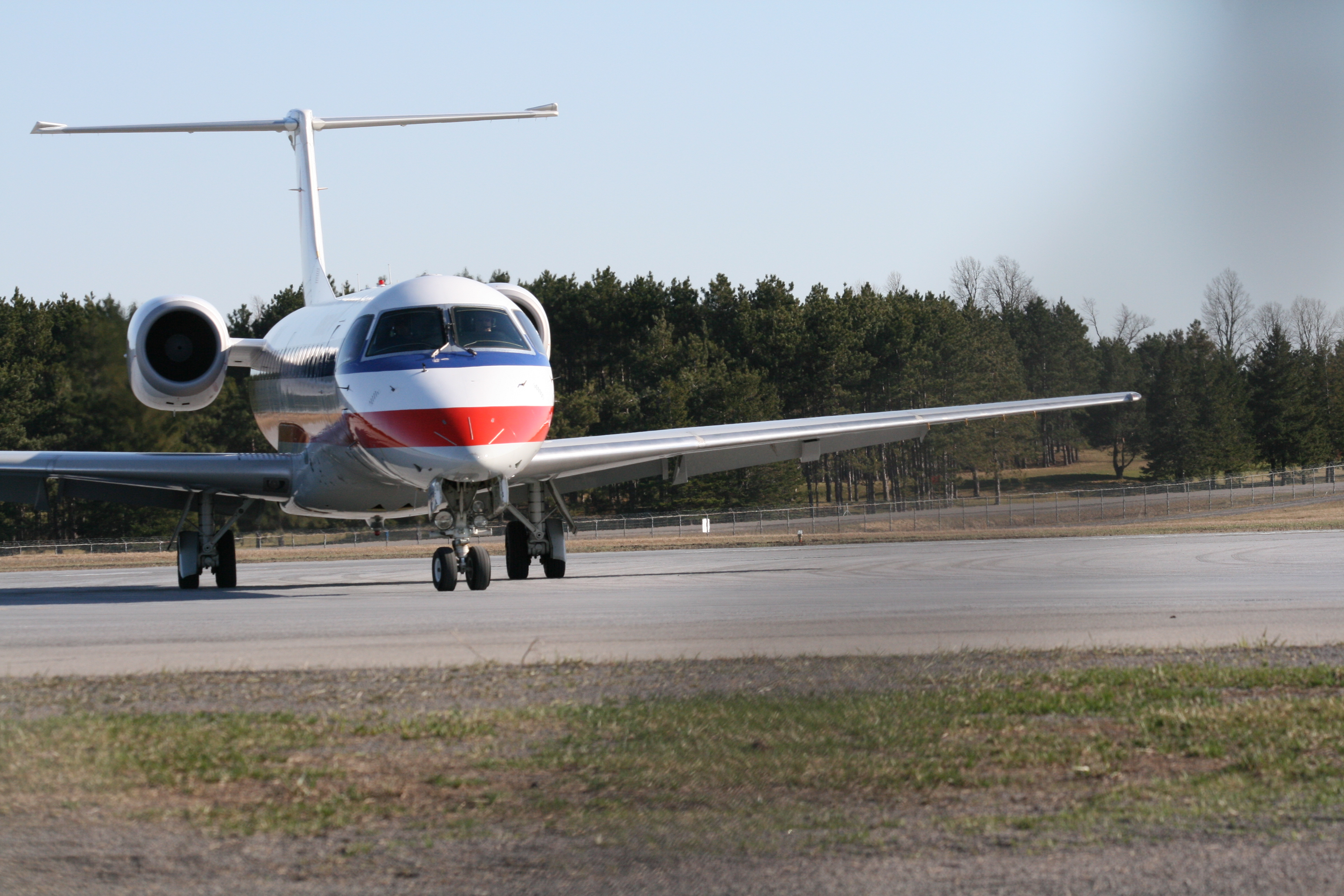
Empty jets, often referred to in the aviation business as flights that function with a considerably low passenger load, have turn out to be a rising concern for airways worldwide. This report explores the causes of empty jets, their implications for airways and the environment, and potential methods to mitigate their occurrence.
Causes of Empty Jets
- Seasonal Demand Fluctuations: Airlines often experience variations in passenger demand based on the time of yr. As an illustration, routes to trip locations could see excessive demand during peak seasons, however expertise a pointy decline during off-peak periods. This seasonal nature of journey can lead to flights operating with fewer passengers than expected.
- Economic Factors: Economic downturns, inflation, and changes in shopper spending habits can considerably impact air journey demand. If you have any questions with regards to wherever and how to use private jets charter, you can get hold of us at our web page. When disposable income decreases, travelers are inclined to go for funds-pleasant options or forgo travel altogether, leading to empty seats on flights.
- Competitors and Pricing: The aviation market is highly aggressive, with numerous airways vying for a similar customer base. Value wars can lead to decrease ticket prices, which, whereas enticing to shoppers, may result in diminished revenue for airways. When costs drop too low, it will not be financially viable for airlines to operate certain routes, resulting in empty jets.
- Pandemic Effects: The COVID-19 pandemic had a profound impact on global travel, with many airlines experiencing unprecedented levels of cancellations and reduced passenger numbers. Though the trade is recovering, the aftereffects of the pandemic continue to affect journey habits, with some routes remaining underbooked.
- Route Management: Airlines usually plan routes based on historic data and projected demand. Nevertheless, if these projections are inaccurate, it may result in flights that aren't fully booked. Moreover, the decision to function flights to much less popular locations can also contribute to empty jets.
Implications of Empty Jets
- Monetary Losses: Empty jets symbolize a major monetary burden for airways. Fastened prices reminiscent of gas, crew salaries, and airport charges should still be coated, regardless of passenger load. This may result in losses that impact the general profitability of airways, forcing them to reconsider their operational methods.
- Environmental Affect: Operating flights with low passenger loads is just not only economically unviable but also environmentally detrimental. Aircraft emissions contribute to climate change, and flying empty or nearly empty jets will increase the carbon footprint per passenger. This raises issues about sustainability in the aviation trade and the necessity for extra eco-pleasant practices.
- Buyer Expertise: Low passenger masses can affect the overall travel expertise. Airlines may cut back providers or amenities on less popular routes, leading to dissatisfaction among travelers. Moreover, if airlines incessantly cancel or reschedule flights due to low demand, it could possibly erode buyer loyalty.
- Operational Challenges: Managing empty jets poses operational challenges for airways. Adjusting flight schedules, reallocating resources, and managing crew logistics change into more advanced when coping with low passenger numbers. This can lead to inefficiencies and increased operational costs.
Solutions to Mitigate Empty Jets
- Dynamic Pricing Strategies: Airlines can implement dynamic pricing models that regulate ticket costs based mostly on actual-time demand. By providing discounts for underbooked flights or rising prices for high-demand routes, airways can higher handle seat occupancy and maximize revenue.
- Enhanced Marketing Efforts: Focused marketing campaigns can help stimulate demand for specific routes. By figuring out potential customer segments and promoting journey deals, airlines can entice extra passengers. Collaborations with local tourism boards can also bolster curiosity in underbooked destinations.
- Flexible Scheduling: Airlines can adopt extra flexible scheduling practices, adjusting flight frequencies based mostly on demand developments. Lowering the number of flights on less fashionable routes during off-peak occasions while growing frequencies on busier routes can assist optimize capability.
- Partnerships and Alliances: Forming partnerships with different airways can enhance route viability. Codeshare agreements allow airlines to offer more destinations without the necessity for empty jets, sharing sources and increasing passenger load throughout multiple carriers.
- Sustainability Initiatives: Emphasizing sustainability can attract environmentally-aware travelers. Airways can invest in more fuel-efficient aircraft, explore different fuels, and undertake carbon offset packages to attraction to passengers involved about their environmental impression.
- Knowledge Analytics: Utilizing information analytics may help airways better predict demand and make informed choices about route planning. By analyzing historic information, market developments, and customer habits, airways can optimize their flight schedules and reduce the chance of empty jets.
Conclusion
Empty jets current a multifaceted challenge for the aviation industry, with implications that extend past monetary losses to environmental issues and customer satisfaction. By understanding the causes of empty jets and implementing efficient strategies to mitigate their prevalence, airlines can improve their operational efficiency, enhance their bottom line, and contribute to a extra sustainable future for air travel. As the trade continues to evolve, addressing the issue of empty jets can be crucial for the lengthy-time period viability of airlines and the overall well being of the aviation sector.