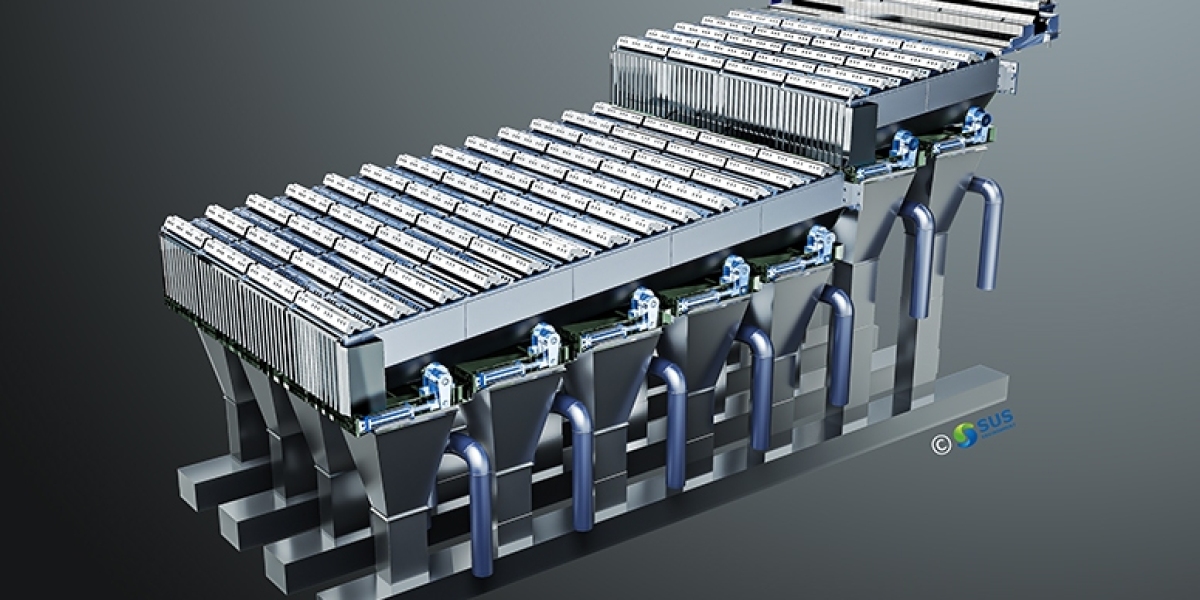

Waste is often seen as a problem that needs to be collected, transported, and buried or burned. But with the right technology, part of that waste can become a valuable energy resource. This is where Waste-to-Energy Equipment comes into play.To get more news about Waste-to-Energy Equipment, you can visit en.shsus.com official website.
Waste-to-energy systems are designed to process suitable waste and recover energy in the form of electricity, heat, or sometimes both. Instead of treating waste simply as something to get rid of, these systems look at its remaining energy value. In my view, this is one of the most practical ideas in modern waste management because it connects two everyday challenges: reducing waste and producing useful energy.
What Is Waste-to-Energy Equipment?
Waste-to-Energy Equipment refers to a group of machines and systems used to convert waste into usable energy. Depending on the type of waste and the technology selected, the equipment may use thermal treatment, anaerobic digestion, gasification, or other recovery processes.
A typical thermal waste-to-energy plant may include waste feeding equipment, a combustion system, a boiler, a steam turbine, an energy recovery system, flue gas treatment equipment, and an ash handling system. Each part has a specific job, and the overall performance depends on how well these components work together.
The equipment is not simply a large furnace. Modern systems require controlled operating conditions, reliable material handling, temperature management, emissions control, and continuous monitoring.
Efficient Energy Recovery
One of the biggest advantages of waste-to-energy equipment is its ability to recover energy from waste that may otherwise have little practical value.
In a thermal system, heat generated during waste treatment can be transferred to a boiler to produce steam. The steam can then drive a turbine connected to a generator. Depending on the plant design, the recovered heat may also be used for district heating, industrial processes, or other applications.
This flexibility is important. A facility located near an industrial area, for example, may benefit from using both electricity and recovered heat. From my perspective, combined heat and power can make a waste-to-energy project considerably more attractive when there is a nearby and consistent heat demand.
Designed for Continuous Operation
Waste management does not stop at night or on weekends, so reliability is a major consideration when choosing waste-to-energy equipment.
Industrial systems are generally designed for long operating periods and stable material feeding. Automatic feeding systems can help maintain a consistent waste flow, while sensors and control systems monitor important operating parameters.
Temperature, pressure, oxygen levels, feed rates, and other conditions can be monitored continuously. This allows operators to identify unusual changes before they develop into larger problems.
Good equipment should also be designed with maintenance in mind. Easy access to inspection points, replaceable wear components, and practical maintenance procedures can reduce downtime and make long-term operation easier.
Strong Emissions Control
Environmental performance is one of the most important aspects of a modern waste-to-energy plant.
Waste treatment can generate gases and particulate matter, so an effective emissions control system is essential. Depending on the process and local regulations, equipment may include dust collectors, scrubbers, filters, activated carbon injection, selective catalytic systems, and continuous emissions monitoring.
The goal is not simply to generate energy. The entire process must be managed responsibly, with emissions controlled before treated gases are released.
I believe this is an area where buyers should look beyond the basic equipment price. A cheaper system may not be the better investment if its environmental controls are difficult to maintain or expensive to operate.
Better Waste Volume Management
Another useful feature is waste volume reduction. Thermal treatment can significantly reduce the amount of residual material that needs final disposal.
This can help reduce the pressure on landfill sites and potentially lower transportation requirements. For cities and regions with limited landfill capacity, this can be particularly valuable.
However, waste-to-energy should not be viewed as a solution for every type of waste. Proper sorting, recycling, and material recovery should remain important parts of a complete waste management strategy. Energy recovery works best when it complements recycling rather than replacing it.
Automation and Intelligent Control
Modern waste-to-energy equipment is becoming increasingly automated. Automated feeding, temperature regulation, process monitoring, alarm systems, and data collection can make plant operation more consistent.
Digital control systems can also provide operators with a clearer picture of plant performance. Historical operating data can help identify energy losses, maintenance needs, and changes in waste characteristics.
This is especially useful because waste is not always consistent. Moisture content, organic material, plastics, paper, and other components can change from one delivery to another. A responsive control system can help the plant adjust to these variations.
What Should Buyers Consider?
When selecting waste-to-energy equipment, buyers should consider more than processing capacity. Waste composition, moisture content, local regulations, expected operating hours, energy demand, maintenance requirements, and available space can all affect the right equipment choice.
After-sales service is another factor that is easy to overlook. Technical support, spare parts availability, operator training, and maintenance assistance can have a major impact on long-term operating costs.
I would also recommend looking at the complete system rather than judging individual machines separately. A high-quality component cannot compensate for poor integration between feeding, treatment, energy recovery, and emissions control.
A Practical Direction for Waste Management
Waste-to-energy equipment represents an interesting middle ground between waste disposal and energy production. It cannot eliminate the need for recycling or responsible waste reduction, but it can give suitable waste a second purpose.
The most impressive part, in my opinion, is not any single machine. It is the way an entire system can transform a difficult waste stream into something useful while reducing the amount of material requiring final disposal.
As cities grow and energy and landfill resources become more constrained, efficient waste management will become increasingly important. With appropriate technology, careful operation, and strong environmental controls, waste-to-energy equipment can play a meaningful role in building a more resource-conscious waste management system.