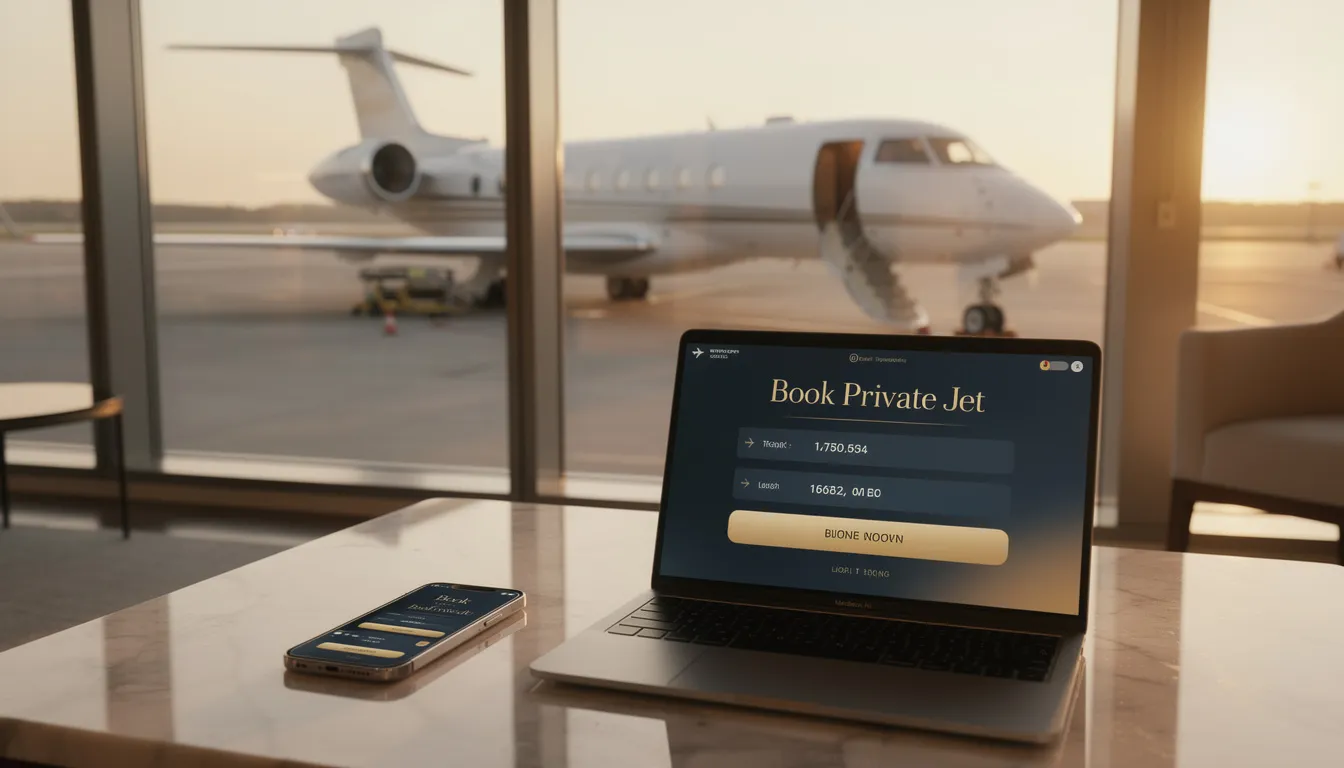
Lately, the allure of non-public planes has captured the imagination of many, remodeling from a luxury reserved for the elite right into a viable choice for business professionals and aviation fanatics alike. Owning a personal plane provides unparalleled convenience, flexibility, and a way of freedom that industrial flying merely cannot match. However, the choice to invest in a private aircraft includes a myriad of concerns, from financial implications to operational tasks. This text delves into the world of private planes, exploring their benefits, types, prices, and important factors to consider earlier than making the leap into possession.
The benefits of Owning a Personal Plane
- Time Effectivity: One among the primary advantages of proudly owning a personal plane is the numerous time savings it offers. With the flexibility to bypass long security lines, crowded terminals, and layovers, house owners can journey on to their vacation spot. This is especially beneficial for business travelers who want to maximise productiveness and reduce downtime.
- Flexibility and Accessibility: Personal planes offer the liberty to fly to a wider range of destinations, together with smaller airports that is probably not serviced by industrial airways. This flexibility allows owners to succeed in remote areas or keep away from busy hubs, making it easier to conduct enterprise or get pleasure from leisure activities.
- Consolation and Privateness: Unlike commercial flights, private planes present a private and comfortable environment. Owners can customize their aircraft to go well with their preferences, from seating preparations to in-flight amenities. This degree of consolation is especially interesting for individuals who value privateness throughout their travels.
- Enhanced Productivity: For enterprise professionals, the ability to conduct conferences or work whereas in transit generally is a game-changer. Many private planes are geared up with know-how that allows for seamless connectivity, enabling owners to remain productive whereas in the air.
- Way of life and Expertise: Proudly owning a personal plane shouldn't be nearly transportation; it’s in regards to the expertise. From weekend getaways to worldwide adventures, having a personal aircraft opens up a world of potentialities for exploration and leisure.
Varieties of non-public Planes
When considering possession, it’s important to understand the differing types of personal planes out there. Every type serves unique functions and comes with varying prices and operational necessities.
- Light Jets: These small, nimble jets are splendid for brief to medium-vary flights. They typically accommodate four to 8 passengers and are recognized for his or her efficiency and speed. Gentle jets are good for business travelers who need to make quick journeys.
- Midsize Jets: Providing a balance between capacity and range, midsize jets can carry 6 to 9 passengers and are appropriate for longer flights. They typically come geared up with extra luxurious amenities, making them a popular alternative for both enterprise and leisure travel.
- Heavy Jets: Designed for lengthy-haul flights, heavy jets can accommodate bigger groups and provide in depth in-flight amenities. These aircraft are often utilized by companies for govt travel and might travel intercontinental distances.
- Turboprop Planes: These planes are powered by turbine engines and are ideal for brief-haul flights. They're typically extra economical than jets and may function on shorter runways, making them suitable for reaching remote places.
- Seaplanes and Amphibious Aircraft: For those looking to entry laborious-to-reach areas, seaplanes and amphibious aircraft present unique capabilities. They will take off and land on water, opening up new potentialities for journey.
Costs of Possession
The monetary commitment of owning a personal plane goes beyond the initial purchase worth. Potential owners must consider several ongoing prices, including:
- Purchase Price: The price of private planes can range dramatically based mostly on the type, age, and condition of the aircraft. Light jets might begin round $three million, whereas heavy jets can exceed $50 million.
- Insurance: Aircraft insurance is a crucial expense that varies based on components such as the aircraft's worth, utilization, and the owner's flying experience. Comprehensive insurance coverage coverage is crucial to guard against potential liabilities.
- Upkeep and Repairs: Regular upkeep is important to ensure security and compliance with aviation regulations. This includes routine inspections, engine maintenance, and repairs, which can be pricey.
- Gasoline Prices: Gas expenses can add up quickly, particularly for jets that consume a significant amount of fuel. Owners should think about the price of gasoline, which may fluctuate based mostly on market costs.
- Storage and Hangar Fees: Depending on the situation, owners may have to pay for hangar area or tie-down charges at airports. These costs can range widely based mostly on the airport's proximity to urban areas.
- Crew Salaries: If the aircraft requires a pilot or extra crew, homeowners should consider wage and coaching costs. Hiring a certified pilot is essential for security and compliance with laws.
Issues Earlier than Possession
Earlier than investing in a personal plane, potential owners ought to carefully evaluate several components:
- Utilization: Consider how usually and for what purposes the aircraft will probably be used. Frequent travelers might discover possession worthwhile, whereas those that fly occasionally would possibly benefit extra from charter companies.
- Financing Options: Discover financing options, including loans and leasing arrangements. Understanding the financial implications and available financing solutions can assist make possession more manageable.
- Regulatory Compliance: Familiarize yourself with the laws governing aircraft ownership and operation. This contains licensing requirements, maintenance requirements, and security rules.
- Resale Worth: Aircraft can depreciate, and homeowners ought to consider the potential resale value when making a purchase. Researching market developments and aircraft demand can inform a more strategic shopping for determination.
- Pilot Training: If the owner intends to fly the aircraft personally, obtaining the mandatory pilot licenses and training is crucial. This entails time, effort, and financial investment.
Conclusion
Owning a personal plane is usually a rewarding expertise, providing unmatched comfort, flexibility, and consolation. Nonetheless, it also comes with important financial and operational responsibilities. By totally understanding the benefits, types, costs, and considerations associated with personal planes, potential house owners can make knowledgeable choices that align with their travel needs and life-style. If you enjoyed this article and you would such as to obtain even more info relating to Quickdatescript trusted choices kindly browse through our own web site. Whether or not for business or leisure, the world of private aviation holds thrilling prospects for those able to take to the skies.