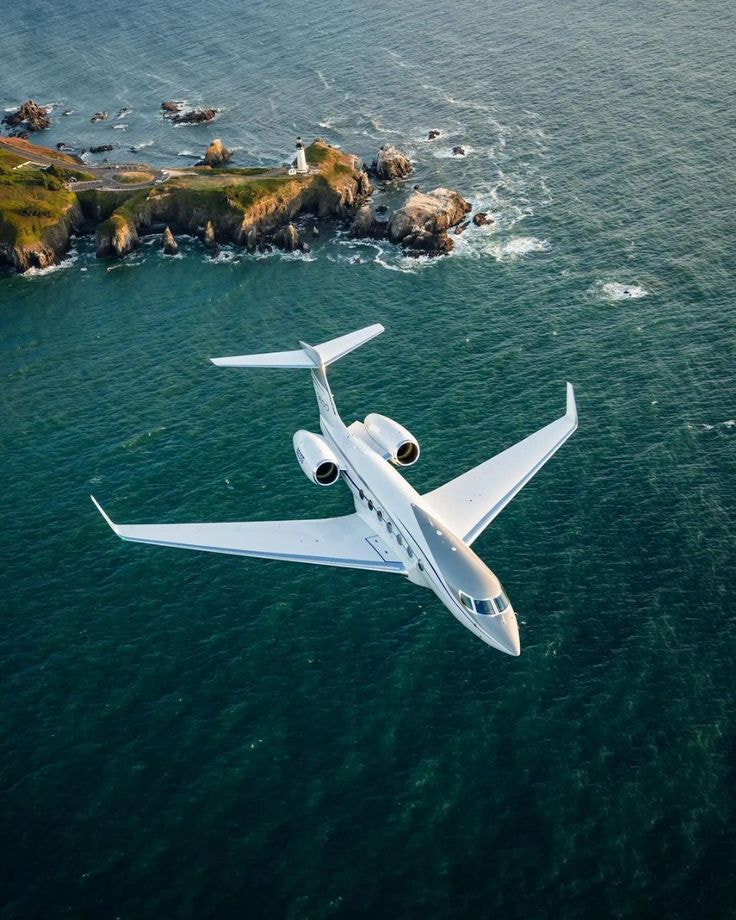

Private aviation, often referred to as enterprise aviation or normal aviation, encompasses a wide range of aircraft operations that aren't performed by business airways. This sector has seen important growth in recent years, driven by a selection of things including elevated demand for versatile travel choices, advancements in know-how, and a growing recognition of the benefits related to private flying. This report delves into the important thing facets of private aviation, including its definition, benefits, trade traits, and future outlook.
Definition of Private Aviation
Private aviation refers to the use of aircraft for private or enterprise purposes that aren't accessible to most people. This includes a variety of aircraft sorts, corresponding to jets, turboprops, helicopters, and mild aircraft. Private aviation can be accessed by varied means, including possession, fractional ownership, charter companies, and membership packages. Each possibility offers completely different ranges of flexibility, value, and entry to aircraft.
Benefits of Private Aviation
The attraction of private aviation lies in its numerous advantages over commercial air journey:
- Time Efficiency: Considered one of the first advantages of private aviation is the significant time savings it provides. Passengers can keep away from long safety strains, test-in procedures, and layovers generally associated with business flights. Private jets also can access 1000's of airports worldwide, allowing travelers to fly nearer to their ultimate vacation spot.
- Flexibility: Private aviation permits for a custom-made journey schedule. Flights will be arranged at brief discover, and itineraries could be adjusted in accordance with the needs of the passengers. This flexibility is particularly valuable for business travelers who may need to change plans rapidly.
- Privateness and Comfort: Private jets present an exclusive environment that allows passengers to conduct enterprise meetings, loosen up, or take pleasure in personal time with out the distractions typically present in commercial flights. The onboard experience can be tailor-made to particular person preferences, together with catering, seating arrangements, and entertainment choices.
- Enhanced Safety: Private aviation typically adheres to stringent security standards. Many private operators maintain their aircraft meticulously and make use of extremely skilled pilots. The ability to choose less crowded airports may reduce publicity to potential security risks.
- Entry to Distant Areas: Private aviation permits access to distant or underserved locations that may not have common commercial airline service. This is particularly useful for industries comparable to mining, oil and gasoline, and agriculture, where operations could also be located in remoted areas.
Trade Trends
The private aviation industry has experienced a number of notable tendencies lately:
- Increased Demand: The COVID-19 pandemic considerably altered travel behaviors, leading to a surge in demand for private aviation. Many travelers sought options to business flights to reduce health risks, leading to a notable increase in charter flights and private jet utilization.
- Sustainability Initiatives: As environmental concerns develop, the private aviation trade is increasingly specializing in sustainability. Corporations are exploring the usage of sustainable aviation fuels (SAFs), investing in more fuel-environment friendly aircraft, and implementing carbon offset applications to mitigate their environmental impression.
- Technological Developments: The integration of know-how in private aviation has remodeled the trade. Enhanced booking platforms, cell functions, and real-time tracking techniques have made it easier for passengers to manage their journey. Additionally, developments in aircraft know-how have improved performance, security, and gas effectivity.
- Fractional Possession and Membership Models: Fractional possession and membership packages have gained recognition as value-efficient alternate options to full possession. These models permit people and companies to share the prices and responsibilities associated with aircraft possession whereas still enjoying the benefits of private flying.
- Emergence of Electric and Hybrid Aircraft: The development of electric and hybrid aircraft represents a major shift in the trade. These improvements promise to reduce emissions and working costs, interesting to environmentally acutely aware travelers and operators.
Challenges Dealing with Private Aviation
Regardless of its growth, the private aviation trade faces several challenges:
- Regulatory Atmosphere: The private aviation sector is subject to a posh net of laws that may differ significantly by country. If you have any kind of issues about where and the way to use Private Plane Companies, it is possible to email us at our own webpage. Navigating these rules can be cumbersome and will hinder the growth of the business.
- Economic Elements: Economic downturns can influence the demand for private aviation services. During occasions of economic uncertainty, companies may reduce travel budgets, leading to decreased demand for private flights.
- Competition from Industrial Airways: While private aviation offers unique advantages, it competes with business airways that have made strides in enhancing their services, including premium offerings and business-class choices. This competitors can affect pricing and market share throughout the business.
- Pilot Scarcity: The aviation industry is at the moment facing a scarcity of qualified pilots, which poses a challenge for private aviation operators searching for to keep up high requirements of service and safety. This shortage might lead to elevated operational costs and restricted availability of aircraft.
Future Outlook
The future of private aviation appears promising, with continued development anticipated in the approaching years. As more travelers acknowledge the benefits of private flying, demand is probably going to stay strong. The industry can be expected to change into more environmentally conscious, with ongoing investments in sustainable technologies and practices.
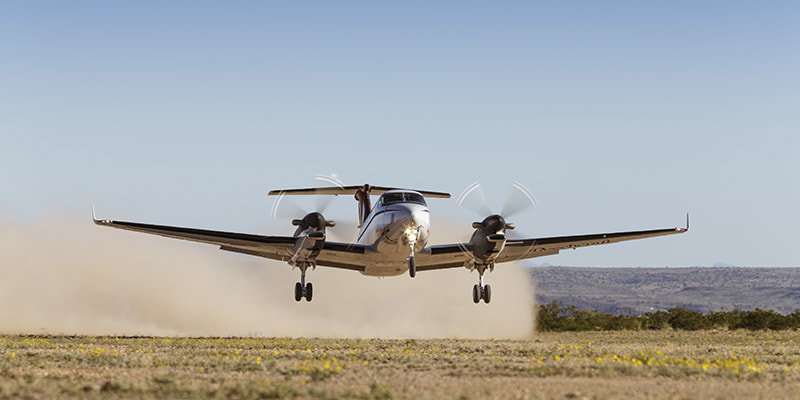
Improvements in aircraft design, comparable to supersonic jets and electric aircraft, might revolutionize the market and appeal to a brand new generation of travelers. Additionally, the rise of digital platforms and expertise-driven companies will improve the customer expertise and streamline operations.
In conclusion, private aviation affords a unique and precious mode of transportation that caters to the wants of individuals and companies alike. With its quite a few advantages and the potential for continued development, the trade is nicely-positioned to adapt to altering journey demands and technological advancements in the years to come back.