

In recent times, the aviation business has witnessed a significant shift in the direction of charter airplanes, with extra people and businesses choosing private air travel over business flights. This case examine explores the factors contributing to the rise of charter airplanes, their advantages, challenges, and the way forward for this phase throughout the aviation market.

Overview of Charter Aviation
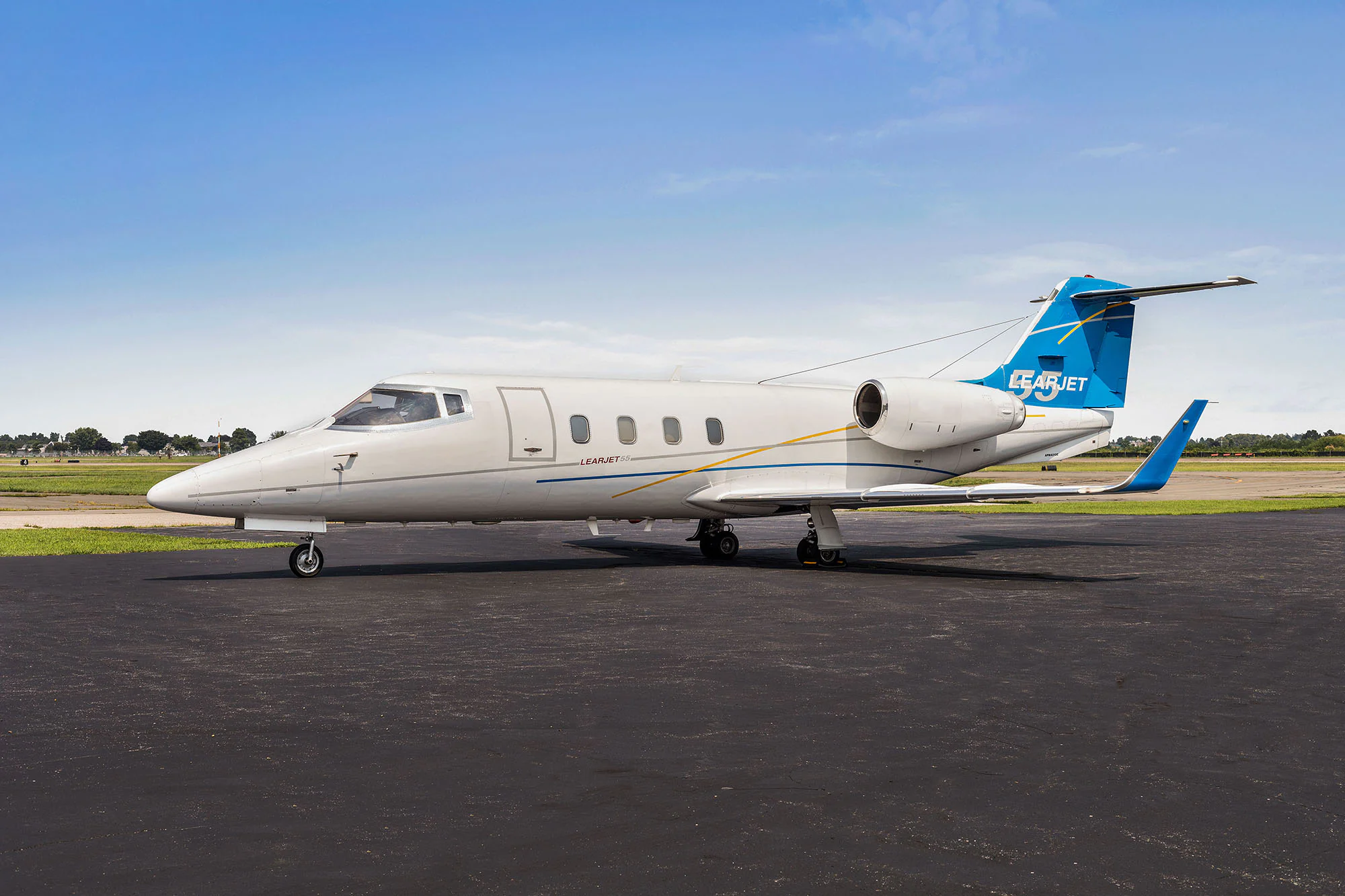
Charter aviation refers to the renting of a whole aircraft for a selected journey moderately than buying particular person tickets for a business flight. Charter flights may be booked by numerous firms that function fleets of private jets, turboprops, and helicopters. These flights supply flexibility when it comes to scheduling, routes, and passenger comfort, appealing to a various range of clientele from company executives to leisure travelers.
Elements Driving Demand
- Elevated Business Journey: The globalization of business has led to a surge in company travel. Corporations are increasingly recognizing the time-saving benefits of charter flights, allowing staff to achieve a number of destinations in a single day without the delays associated with business airlines. According to a report by the Nationwide Business Aviation Association (NBAA), 70% of business jet users imagine that private aviation enhances their company’s productiveness.
- Flexibility and Convenience: Charter flights present unparalleled flexibility. Passengers can choose their departure instances, routes, and even onboard providers, which isn't doable with industrial flights. This comfort is especially interesting for prime-profile purchasers who require a tailored travel experience.
- Health and Security Concerns: The COVID-19 pandemic has significantly impacted journey behaviors. Many travelers have turned to private aviation to reduce publicity to crowded airports and industrial flights. If you adored this article and also you would like to collect more info regarding private jets charter services near me please visit the web-site. Charter corporations have implemented stringent health protocols, additional enhancing the appeal of private journey throughout uncertain occasions.
- Technological Advancements: The rise of digital platforms has made booking charter flights easier than ever. Corporations like JetSuite and Wheels Up have developed apps that enable users to e-book flights with only a few taps on their smartphones. This accessibility has opened the market to a broader viewers, together with those that could have previously considered private aviation out of attain.
Advantages of Charter Airplanes
- Time Effectivity: Charter flights can significantly cut back journey time. Passengers can arrive at the airport just minutes earlier than departure, bypassing long safety traces and boarding processes typical of economic flights. This efficiency is particularly beneficial for business travelers who need to maximise their time.
- Customized Experience: Charter corporations typically present personalised services, including gourmet catering, onboard Wi-Fi, and tailor-made entertainment options. This level of customization enhances the journey experience, making it extra fulfilling and productive for passengers.
- Entry to Remote Places: Many charter flights can land at smaller airports that aren't serviced by business airlines. This accessibility permits travelers to achieve remote areas shortly, making charter aviation a sexy option for these in industries corresponding to mining, oil, and agriculture.
- Privacy and Discretion: For prime-profile people, privacy is paramount. Charter flights offer a degree of confidentiality that commercial airways cannot present. Passengers can journey with out the scrutiny that usually accompanies industrial flights, making it a most well-liked selection for celebrities and executives.
Challenges Going through Charter Aviation
Regardless of its many advantages, the charter aviation industry faces a number of challenges:
- Regulatory Hurdles: The aviation sector is heavily regulated, and charter corporations must navigate complicated regulations that can fluctuate considerably by area. Compliance with safety standards, licensing, and operational rules will be burdensome for smaller operators.
- Market Saturation: As demand for charter flights has increased, so has competition. The market is turning into saturated with new entrants, which can lead to cost wars and lowered profit margins for established corporations. Maintaining a competitive edge requires steady innovation and high-high quality service.
- Environmental Concerns: The environmental impression of aviation is beneath scrutiny, and the charter industry is no exception. As sustainability turns into a priority for customers, charter companies are exploring methods to cut back their carbon footprint, such as investing in additional gasoline-environment friendly aircraft and exploring alternative fuels.
- Financial Sensitivity: Charter aviation is often viewed as a luxurious service, making it delicate to financial fluctuations. Throughout financial downturns, firms might lower again on travel expenses, impacting demand for charter flights.
Future Tendencies in Charter Aviation
The future of charter aviation seems promising, with a number of developments likely to form its evolution:
- Sustainability Initiatives: As environmental considerations gain prominence, charter firms are increasingly focusing on sustainability. Improvements such as electric aircraft and using sustainable aviation fuel (SAF) are being explored to reduce emissions and appeal to eco-conscious travelers.
- Fractional Ownership Fashions: Fractional ownership, the place people purchase a share of an aircraft, is gaining traction. This model allows more folks to access private aviation with out the full monetary burden of owning a plane. Companies like NetJets have efficiently applied this mannequin, providing flexibility and value savings to their purchasers.
- Enhanced Technology Integration: The integration of superior technology will proceed to rework the charter business. From AI-powered scheduling methods to improved in-flight entertainment options, technology will improve the shopper experience and operational effectivity.
- Expansion of Companies: Charter corporations are diversifying their offerings to incorporate companies similar to air ambulance, cargo transport, and helicopter providers. This diversification permits corporations to tap into new revenue streams and broaden their market reach.
Conclusion
The rise of charter airplanes represents a major shift in the aviation panorama, driven by elements resembling elevated business journey, the demand for flexibility, and changing shopper preferences. Whereas the industry faces challenges, its future appears shiny, with alternatives for innovation and progress. As more travelers search customized and environment friendly travel experiences, charter aviation is poised to become an integral a part of the broader aviation ecosystem, catering to the wants of a various clientele in a rapidly changing world.