
Poker is utterly unique among casino games because you are not playing against the house; you are playing against the other players sitting at the table.
Unlike hitting a slot machine, beating a poker game requires skill, psychological dominance, and the ability to ruthlessly exploit weaknesses.
Protecting your bankroll requires the ability to instantly recognize the subtle red flags of collusion, marked cards, and "angle shooting."
We will teach you how to spot a cheater so you can protect your stack and ensure the integrity of the game.
The Most Common Poker Scam: Collusion
Collusion occurs when two or more players sitting at the same table are secretly working together as a coordinated team against the rest of the players.
The most common form of collusion is "signaling." The team uses subtle physical gestures to communicate the exact strength of their hand.
Colluders will also use aggressive betting tactics, like "whipsawing," to trap an honest player between them.
If two players are incredibly friendly but never play massive pots against each other (often called "soft playing"), it is a massive red flag.
Quietly stand up, find the Floor Manager, and express your concerns privately. The casino will monitor the cameras and handle the situation.
The Classic Cheat: Marking the Deck
If a cheater knows exactly what the top card of the deck is, or what the player next to them is holding, the game is completely broken.
Historically, cheaters used invisible ink and special sunglasses, but modern methods are much more tactile and difficult to catch.
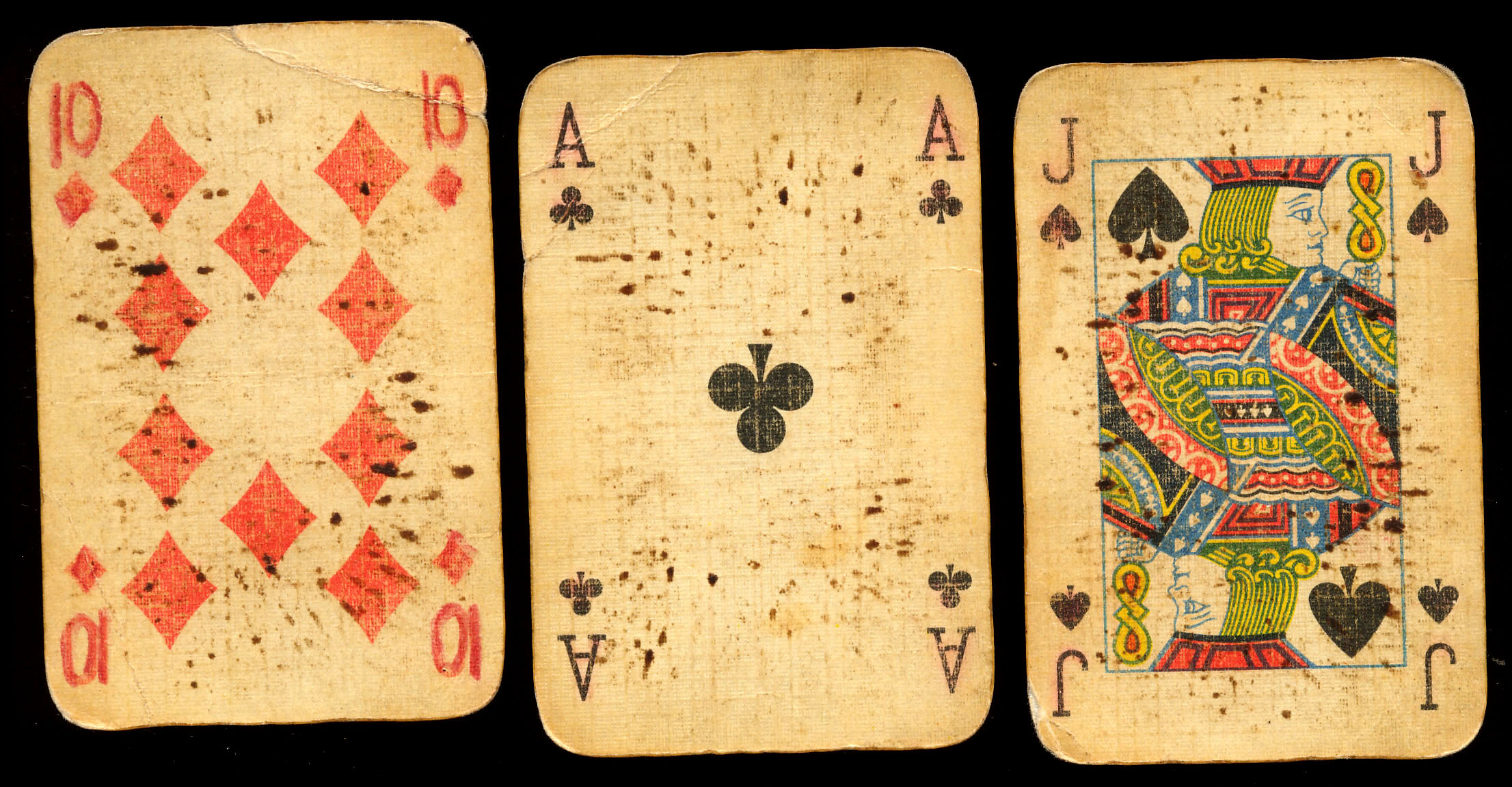
Another method is "daubing," where a player uses a tiny speck of ash or specialized grease on their finger to smudge a specific pattern on the back of a card.
To protect yourself, watch how the other players handle their cards. If a player is constantly bending, aggressively squeezing, or digging their nails into the cards, be highly suspicious.
In a casino, you have the absolute right to request a fresh deck of cards if you suspect the current deck is compromised.
Why Angle Shooters are Discarded by the Community
An "angle shooter" uses intentionally deceptive, unethical behavior to trick opponents or exploit loopholes in the strict rules of casino poker.
They do this solely to provoke a reaction from their opponent. If the opponent looks terrified, the angle shooter knows they have a weak hand.
Another notorious angle is the ambiguous verbal declaration. A player might mumble "Call" or "Raise" in a way that is intentionally difficult for the dealer to hear.
While the casino might not ban an angle shooter on the first offense, the dealer and the floor manager will issue strict warnings.
Never flip your cards over until the dealer instructs you to do so, and always place your chips in neat, easily readable stacks.
Common Red Flags at the Table
- The Whipsaw Trap: Beware of being caught between two aggressive raisers who are inflating the pot to steal your chips.
- The Physical Defect: If you notice a tiny, recurring smudge or scratch on the back of all the Aces and Kings, the deck is completely compromised.
- Angle Shooting (The Pump Fake): Thrusting chips forward but stopping short of the line to gauge your reaction without actually betting.
- Base Dealing: If the dealer's hand motions look unnatural, fast, or jerky, they may be manipulating the shuffle.
Protecting Your Bankroll
| The Suspicion | What NOT To Do | The Correct Action to Take |
|---|---|---|
| Whipsawed by Friends | Do not confront them in the parking lot. | Simply refuse to play in games where you suspect the field is not level. |
| You notice a fingernail scratch on the Ace of Spades. | Do not try to use the marked card to your own advantage. If caught, you will be banned alongside the cheater. | Slide the card to the dealer face down and say, "Dealer, I believe this card is damaged, we need a setup (new deck)." |
| Ambiguous Actions | Never assume what they did. Always ask the dealer for absolute clarification. | Call the Floor Manager to issue a formal warning to the angle shooter if they repeat the behavior. |
Familiarizing yourself with the dark side of the game makes you a significantly sharper, more resilient competitor.
If you stick to heavily regulated, corporate casinos, you are largely protected from overt cheating by the massive surveillance networks.
There is absolutely no shame in walking away from a table where the math and the rules are compromised.