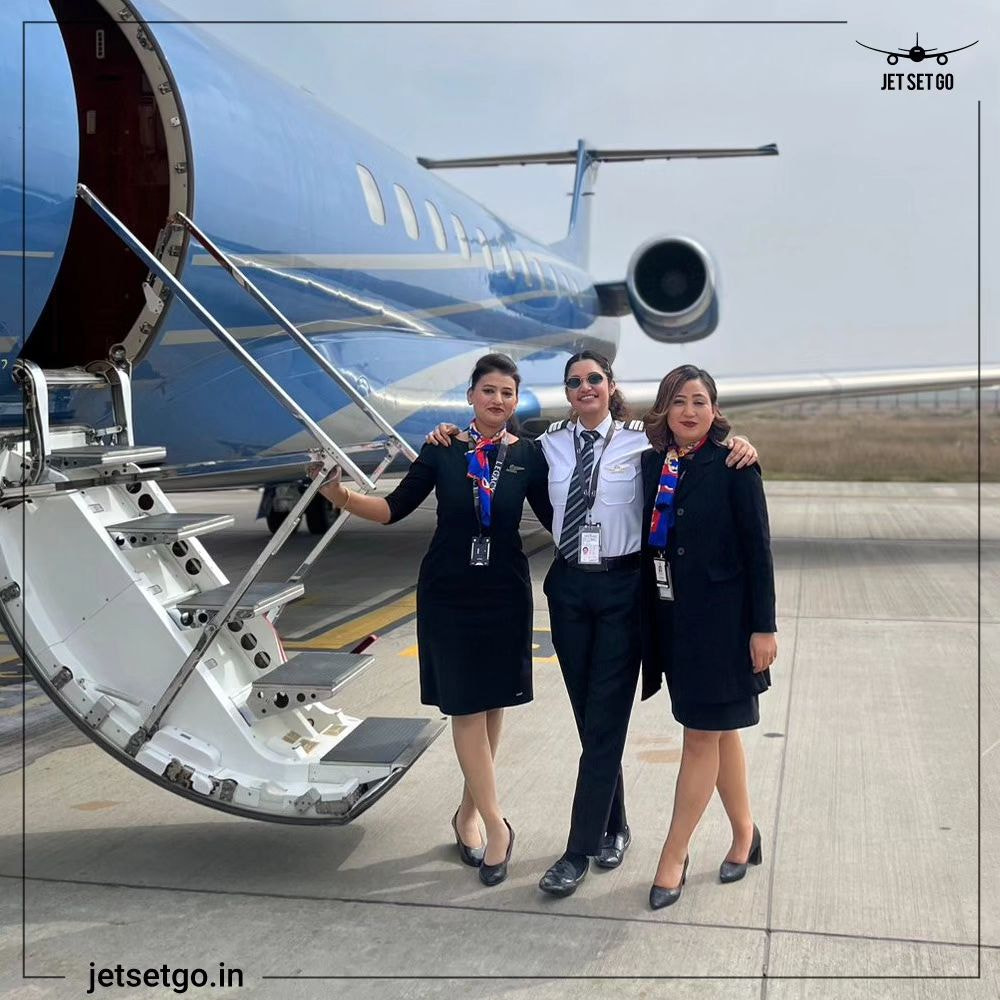
Lately, the private air travel business has experienced significant development, pushed by a mixture of factors together with increased demand for personalised travel experiences, the rise of remote work, and an expanding international financial system. This article explores the current landscape of private air travel companies, analyzing the trends, challenges, and opportunities that shape this dynamic sector.
The Rise of Private Air Travel
The private air travel market has been gaining traction, notably amongst affluent people and corporate purchasers looking for environment friendly and versatile travel choices. In response to trade reviews, the worldwide private jet market is projected to grow at a compound annual progress charge (CAGR) of over 5% in the coming years. If you are you looking for more about Body Positivity look into our web-page. This development is fueled by the rising number of high-web-worth individuals and the need for privacy and convenience in journey.
One of the most notable tendencies in the private air travel sector is the rise of on-demand charter companies. Corporations equivalent to NetJets, Flexjet, and Wheels Up have revolutionized the best way clients entry private air travel. These companies offer fractional ownership and membership packages, permitting customers to enjoy the benefits of private aviation with out the burden of full possession. The comfort of booking a flight with just a few clicks via user-friendly apps has also contributed to the popularity of these providers.
The Demographics of Private Air Travelers
Private air travel is no longer the exclusive domain of the extremely-wealthy. A diverse clientele, including business executives, celebrities, and rich families, now embraces private aviation for both leisure and work-related travel. The COVID-19 pandemic has additional accelerated this pattern, as many travelers prioritize safety and hygiene. Private jets offer a controlled setting, minimizing publicity to massive crowds and potential well being dangers associated with business flights.
Apparently, the profile of private air travelers has evolved. Younger generations, significantly millennials and Gen Z, are increasingly exploring private aviation choices. They worth experiences over material possessions and are keen to put money into distinctive travel opportunities. This demographic shift presents a major alternative for private air travel companies to tailor their choices to satisfy the preferences of a younger audience.
Innovations in Private Air Travel
Technological advancements are transforming the private air travel trade, enhancing the overall buyer expertise. Companies are adopting revolutionary solutions resembling synthetic intelligence (AI) and knowledge analytics to streamline operations and enhance effectivity. As an illustration, AI-powered algorithms can optimize flight routes, reduce gas consumption, and reduce delays, ultimately resulting in price savings for both operators and shoppers.
Moreover, the mixing of digital platforms has made it easier for patrons to manage their journey itineraries. From booking flights to arranging ground transportation and catering services, private air travel companies are leveraging know-how to supply a seamless and personalized expertise.
Sustainability is another space where private air travel companies are making strides. As environmental issues develop into increasingly essential to customers, many companies are investing in eco-pleasant practices. This consists of exploring sustainable aviation fuels (SAFs), implementing carbon offset programs, and incorporating more gasoline-environment friendly aircraft into their fleets. By prioritizing sustainability, private air travel companies can enchantment to environmentally aware travelers while lowering their carbon footprint.
Challenges Going through the Trade
Despite the expansion and innovation throughout the private air travel sector, several challenges persist. One of the most urgent issues is the regulatory landscape. Private aviation is subject to a posh internet of laws that differ by nation and region. Navigating these laws can be cumbersome for operators, leading to delays and increased operational prices. Because the trade continues to evolve, stakeholders should advocate for insurance policies that assist the expansion of private air travel while guaranteeing security and compliance.
Another challenge is the rising operational costs related to private aviation. Factors similar to gasoline costs, maintenance bills, and labor prices can significantly influence profitability. Companies must find ways to optimize their operations and manage costs without compromising the quality of service. This may involve investing in superior technologies, enhancing crew coaching, and exploring partnerships to share assets.
Additionally, the trade faces competitors from different modes of transportation, resembling excessive-velocity trains and luxurious street travel. While private air travel presents unique advantages by way of velocity and convenience, companies should repeatedly innovate to differentiate themselves from opponents. This contains enhancing customer service, offering distinctive journey experiences, and increasing their service choices.
The way forward for Private Air Travel
Looking forward, the future of private air travel seems promising. As the demand for personalised travel experiences continues to rise, private air travel companies have the chance to develop their providers and attain new markets. Rising markets in Asia, the Middle East, and Africa current untapped potential for development, as rising wealth levels and elevated enterprise activities drive demand for private aviation.
Moreover, the ongoing improvement of city air mobility (UAM) solutions, akin to electric vertical takeoff and landing (eVTOL) aircraft, might revolutionize the private air travel landscape. These revolutionary aircraft have the potential to supply efficient brief-haul journey inside city areas, providing a brand new dimension to private aviation.
In conclusion, the private air travel industry is at a crossroads, characterized by progress, innovation, and challenges. As corporations adapt to altering shopper preferences and embrace new technologies, they should additionally navigate regulatory hurdles and rising operational prices. By specializing in sustainability, enhancing buyer experiences, and exploring new markets, private air travel companies can position themselves for success on this evolving panorama. The way forward for private air travel holds thrilling potentialities, and those who're keen to innovate and adapt will thrive on this competitive industry.