Peptides are short chains of amino acids linked by peptide bonds, they usually play an important position in varied biological processes. These biomolecules are vital components of proteins and serve as signaling molecules, hormones, and even as therapeutic brokers. Understanding the capabilities and purposes of peptides is essential in fields reminiscent of biochemistry, drugs, and biotechnology. This case research explores the various roles of peptides, their mechanisms of action, and their therapeutic potential.
What are Peptides?
Peptides are composed of two or more amino acids, usually fewer than 50, while proteins are bigger and encompass a number of lengthy chains of amino acids. If you have any thoughts about where and how to use what are peptides, you can make contact with us at our own page. The sequence and composition of amino acids in a peptide decide its unique properties and capabilities. Peptides will be categorized based on their dimension, construction, and operate, together with signaling peptides, antimicrobial peptides, and neuropeptides, among others.
Biological Capabilities of Peptides
- Signaling Molecules: Many peptides function as signaling molecules that regulate physiological processes. For example, insulin is a peptide hormone that regulates glucose metabolism. It's produced by the pancreas and facilitates the uptake of glucose by cells, thereby reducing blood sugar ranges. Other examples embrace glucagon, which raises blood sugar ranges, and growth hormone-releasing hormone (GHRH), which stimulates growth hormone secretion.
- Neuropeptides: These are peptides that act as neurotransmitters within the nervous system. Neuropeptides equivalent to substance P and endorphins play very important roles in pain perception, stress response, and mood regulation. Endorphins, as an example, are recognized for his or her skill to induce emotions of pleasure and pain relief, making them crucial within the body’s natural ache administration system.
- Antimicrobial Peptides: The innate immune system produces antimicrobial peptides (AMPs) that protect towards pathogens. These peptides can disrupt bacterial membranes, leading to cell lysis and demise. Examples embody defensins and cathelicidins, that are crucial in the body’s defense against infections. Analysis is ongoing to discover their potential in creating new antibiotics, particularly in the face of rising antibiotic resistance.
- Cell Signaling and Regulation: Peptides are involved in numerous cell signaling pathways that regulate cellular features reminiscent of growth, differentiation, and apoptosis (programmed cell dying). As an example, peptides resembling fibroblast growth components (FGFs) and vascular endothelial development factors (VEGFs) play critical roles in angiogenesis (formation of latest blood vessels) and tissue restore.
- Hormonal Features: Along with insulin, a number of other peptides function as hormones. For instance, oxytocin and vasopressin are produced within the hypothalamus and play roles in social bonding, reproductive behaviors, and water retention in the kidneys. These hormones illustrate the various physiological roles that peptides can have in the body.
Therapeutic Applications of Peptides
The unique properties of peptides have led to their exploration as therapeutic agents in numerous medical fields. The next sections highlight some key purposes of peptides in medication:
- Peptide-Based Medication: Several peptide-based mostly drugs have been developed and permitted for clinical use. As an illustration, exenatide is a artificial peptide mimicking the effects of GLP-1 (glucagon-like peptide-1) used within the therapy of sort 2 diabetes. It enhances insulin secretion and inhibits glucagon launch, leading to improved glycemic control.
- Most cancers Therapy: Peptides are being investigated for his or her potential in cancer therapy. Focused peptide therapies can selectively bind to cancer cells, delivering cytotoxic brokers directly to the tumor whereas minimizing damage to healthy tissues. Peptide vaccines are also being developed to stimulate the immune system to recognize and attack cancer cells.
- Antimicrobial Peptides in Infection Control: As talked about earlier, the rise of antibiotic-resistant micro organism has prompted analysis into the therapeutic use of antimicrobial peptides. Their capability to disrupt bacterial membranes makes them promising candidates for treating infections that don't respond to conventional antibiotics.
- Neurological Disorders: Neuropeptides are being studied for his or her potential in treating neurological disorders resembling depression, anxiety, and Alzheimer’s disease. For example, the neuropeptide oxytocin has shown promise in improving social cognition and emotional regulation, making it a potential goal for therapeutic interventions in autism spectrum disorders.
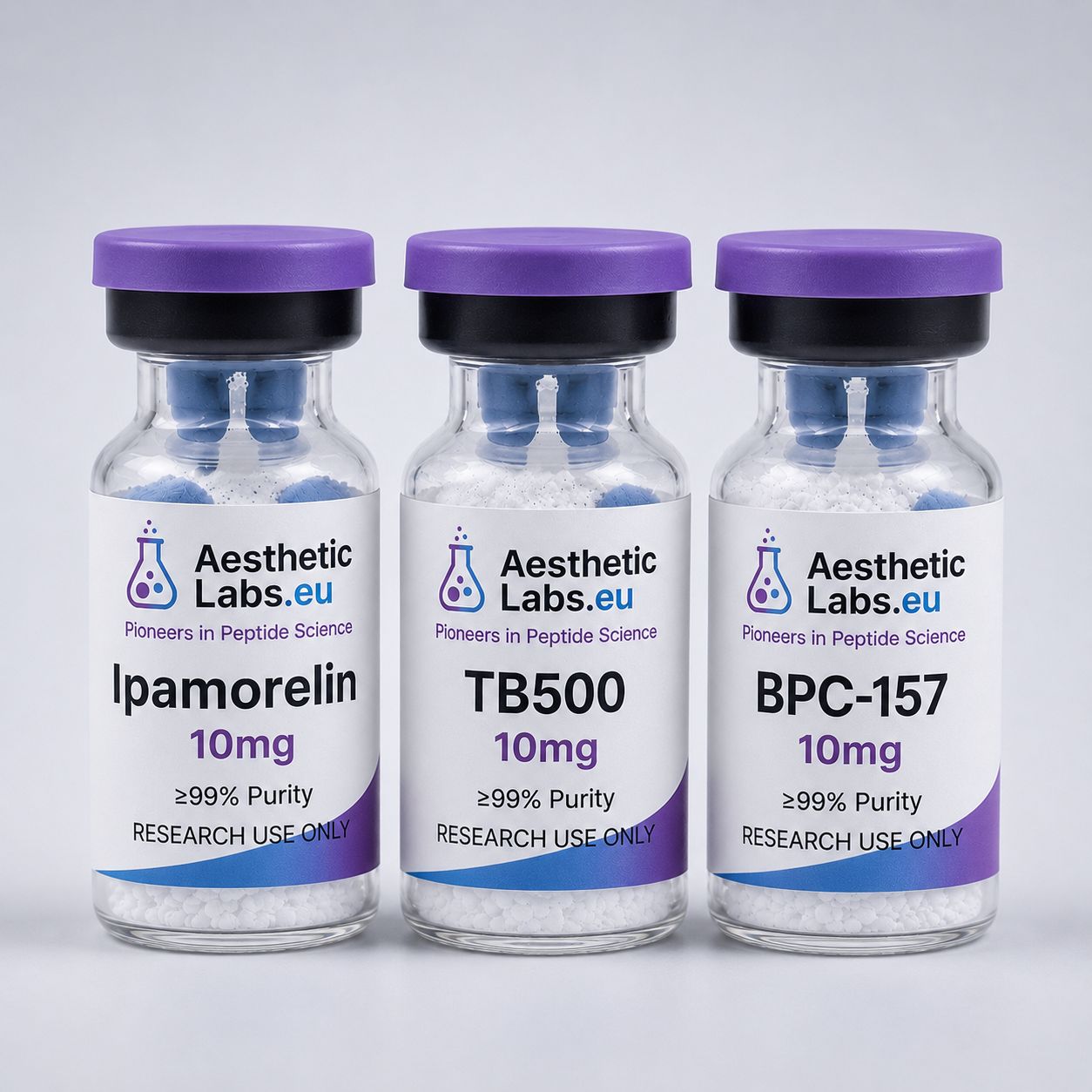
- Wound Healing and Tissue Repair: Peptides that promote angiogenesis and tissue regeneration are being explored for his or her potential in wound healing. As an illustration, the peptide BPC-157 has been shown to accelerate the healing of various tissues, including skin, tendons, and muscles, making it a candidate for treating chronic wounds and injuries.
Challenges and Future Instructions
Regardless of the promise of peptides in therapeutic functions, several challenges stay. Peptides typically have low stability and bioavailability, leading to speedy degradation in the physique. Methods similar to peptide modification, formulation, and delivery systems are being developed to boost their therapeutic potential. Additionally, the cost of peptide synthesis might be excessive, which can restrict their accessibility.

Research is ongoing to discover the vast potential of peptides in drug discovery and development. Advances in peptide engineering, together with the use of synthetic biology and machine learning, may result in the invention of novel peptides with enhanced properties. Moreover, the growing discipline of customized medicine might profit from peptide-primarily based therapies tailored to individual affected person profiles.
Conclusion
Peptides play an important position in quite a few biological processes and have vital therapeutic potential. Their numerous functions as signaling molecules, hormones, and antimicrobial agents highlight their significance in maintaining well being and combating illness. As research continues to advance, peptides could develop into more and more integral to the event of innovative therapies, offering new hope for treating numerous medical conditions. The way forward for peptide analysis guarantees exciting discoveries that would transform the landscape of medicine and improve affected person outcomes.