

Within the quest for improved athletic performance and muscle progress, many individuals are turning to peptides as a possible solution. If you loved this article therefore you would like to obtain more info with regards to Locksmithstrainingcourse i implore you to visit the webpage. Peptides, that are quick chains of amino acids, play an important position in varied biological processes, together with muscle restore and growth. This case research explores the usage of peptides for muscle development, the differing kinds obtainable for sale, their mechanisms of action, potential advantages, and the associated dangers.
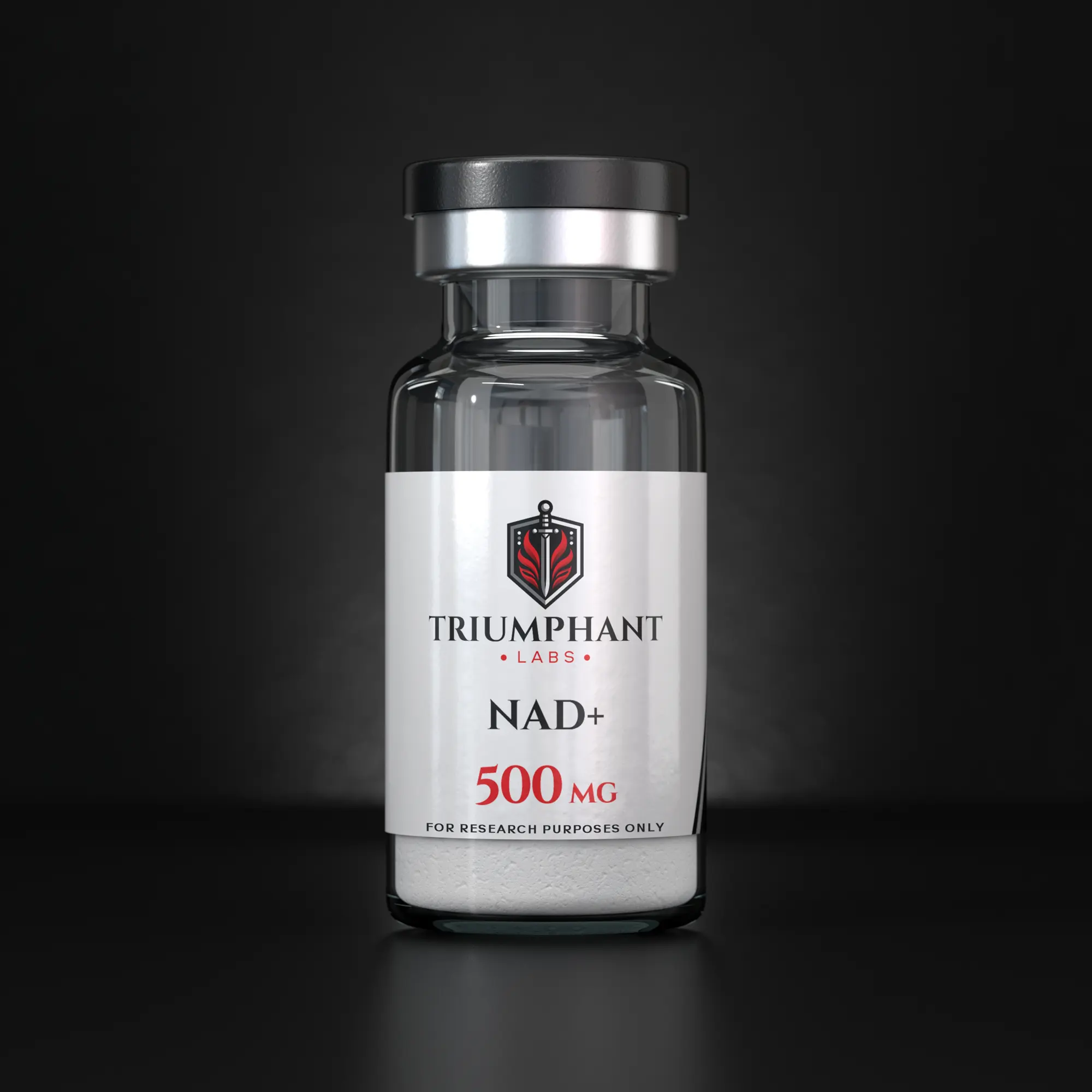
Understanding Peptides
Peptides are naturally occurring compounds that are made up of amino acids, the building blocks of proteins. They're smaller than proteins and might stimulate varied biological features in the body. In the realm of health and bodybuilding, certain peptides have garnered consideration for their potential to boost muscle growth, enhance recovery, and enhance general athletic efficiency.
Sorts of Peptides for Muscle Development
- Progress Hormone-Releasing Peptides (GHRPs): These peptides stimulate the release of development hormone from the pituitary gland. Widespread examples embrace GHRP-2, GHRP-6, and Ipamorelin. They are identified to promote muscle growth, fat loss, and improved recovery occasions.
- Growth Hormone Secretagogues (GHS): Similar to GHRPs, these peptides stimulate the secretion of development hormone. An example is Hexarelin, which is understood for its potent effects on muscle progress and fats loss.
- Insulin-Like Growth Factor (IGF-1): IGF-1 is a hormone that performs a significant role in muscle growth. It promotes the proliferation and differentiation of muscle cells. Peptides that increase IGF-1 ranges can improve muscle hypertrophy and restoration.
- Melanotan II: Whereas primarily identified for its tanning effects, Melanotan II may improve libido and promote fat loss, not directly supporting muscle growth by bettering body composition.
- BPC-157: This peptide is thought for its healing properties, significantly in muscle and tendon injuries. By promoting restoration, BPC-157 can indirectly assist muscle development by permitting athletes to prepare tougher and more regularly.
Mechanisms of Motion
Peptides work by numerous mechanisms to advertise muscle development. GHRPs and GHS stimulate the pituitary gland to launch more growth hormone, which in turn increases IGF-1 ranges within the liver. Elevated IGF-1 levels result in enhanced muscle protein synthesis, elevated satellite cell activation, and improved recovery from train-induced muscle injury.
Additionally, peptides can enhance nitrogen retention in the body, which is essential for muscle growth. By promoting a constructive nitrogen balance, peptides help create an optimal surroundings for muscle restore and development.
Benefits of Peptides for Muscle Development
- Enhanced Muscle Progress: Peptides can significantly improve muscle mass by selling protein synthesis and satellite cell activation.
- Improved Recovery: Many peptides support in the recovery process by reducing inflammation and promoting tissue repair, permitting athletes to train extra regularly and effectively.
- Fats Loss: Some peptides can stimulate fats loss whereas preserving lean muscle mass, leading to a extra favorable body composition.
- Increased Endurance: Certain peptides could improve endurance and stamina, allowing for longer and more intense workouts.
- Diminished Harm Danger: By promoting healing and recovery, peptides can cut back the chance of accidents, enabling athletes to keep up consistent coaching regimens.
Risks and Issues
Regardless of the potential benefits, there are significant risks and ethical considerations associated with using peptides for muscle development. Many peptides usually are not accredited for human use by regulatory our bodies such because the FDA, and their long-time period effects should not properly-studied.
- Quality and Purity: The marketplace for peptides is basically unregulated, resulting in issues about the quality and purity of merchandise. Many peptides offered online could also be contaminated or mislabeled, posing health risks to customers.
- Unintended effects: Customers could experience unwanted effects corresponding to joint ache, water retention, elevated starvation, and potential hormonal imbalances. The lengthy-time period results of peptide use are nonetheless largely unknown.
- Authorized and Moral Issues: The use of peptides in competitive sports is often thought-about doping, resulting in potential bans and authorized repercussions for athletes. This raises ethical questions on fairness and integrity in sports activities.
- Dependency and Tolerance: Over time, customers could develop a tolerance to certain peptides, leading to elevated dosages and potential dependency.
Conclusion
The allure of peptides for muscle growth is undeniable, with many athletes and bodybuilders looking for out these compounds to boost their performance and physique. While there may be evidence to assist the benefits of sure peptides, the risks and moral concerns cannot be ignored.
Individuals contemplating the usage of peptides ought to conduct thorough analysis, consult with healthcare professionals, and weigh the potential advantages against the risks. As the marketplace for peptides continues to develop, it is essential for users to stay knowledgeable and cautious, ensuring that their pursuit of muscle development doesn't come at the expense of their well being and well-being.
In summary, peptides characterize a promising space of analysis in the sphere of muscle development and athletic efficiency, but more studies are needed to fully understand their efficacy, security, and long-term results.