

In the evolving landscape of biotechnology and pharmacology, peptides have emerged as pivotal molecules with a myriad of applications, ranging from therapeutic agents to research tools. As curiosity in peptide-based merchandise surges, the market has responded with quite a lot of choices, together with peptides for sale that promise high purity and efficacy. Nevertheless, with the proliferation of these merchandise comes the essential want for rigorous purity testing to ensure that shoppers obtain protected and effective compounds.
Peptides, that are brief chains of amino acids, play important roles in biological processes and are increasingly being utilized in drug growth, diagnostics, and cosmetic formulations. Their capacity to imitate natural proteins makes them attractive for therapeutic applications, including therapies for most cancers, diabetes, and varied hormonal disorders. In consequence, the demand for high-high quality peptides has skyrocketed, resulting in a aggressive market where high quality assurance is paramount.
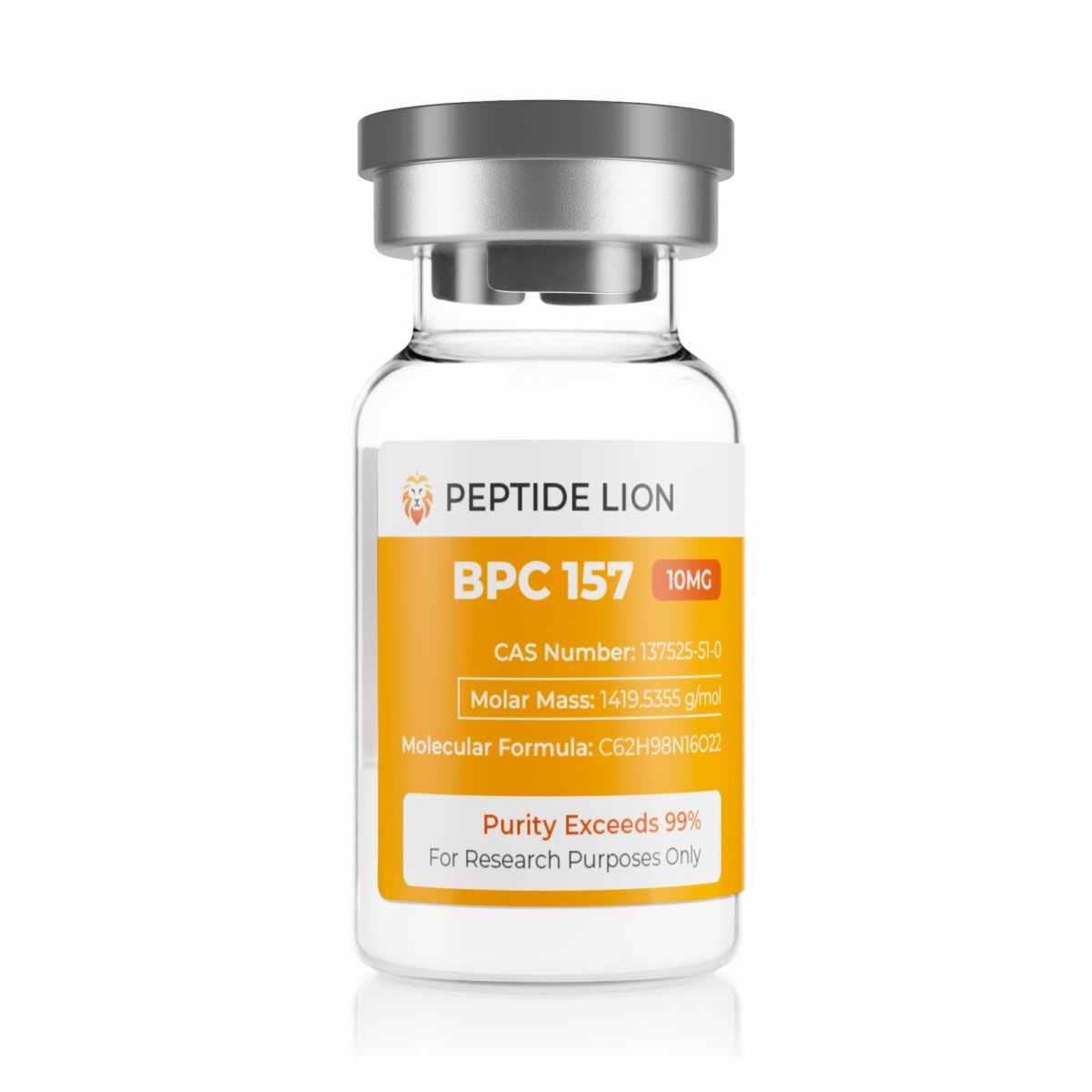
One among the primary concerns for shoppers and researchers alike is the purity of the peptides they buy. Impurities can't only compromise the effectiveness of the peptide but may introduce dangerous uncomfortable side effects. This has led to a growing emphasis on purity testing as a regular practice among reputable suppliers. By using superior analytical techniques, manufacturers can assure that their merchandise meet the rigorous standards required for research and clinical applications.
The technique of purity testing typically involves a number of subtle methods, including Excessive-Efficiency Liquid Chromatography (HPLC), Mass Spectrometry (MS), and Nuclear Magnetic Resonance (NMR) spectroscopy. HPLC is widely considered one in all the simplest techniques for assessing peptide purity, because it separates components primarily based on their chemical properties, allowing for a clear quantification of the specified peptide versus any impurities. Mass Spectrometry further enhances this evaluation by offering detailed information concerning the molecular weight and construction of the peptide, guaranteeing that it matches the desired specs.
Furthermore, NMR spectroscopy provides insights into the three-dimensional structure of the peptide, which is crucial for understanding its biological activity. By combining these strategies, suppliers can present complete purity profiles that guarantee clients of the quality and reliability of their merchandise.
In recent times, the rise of online peptide distributors has made it easier for researchers and fans to entry a wider variety of peptides. Nevertheless, this comfort comes with its personal set of challenges. The lack of regulation within the peptide market signifies that not all suppliers adhere to the same high quality requirements, leading to important variability in product purity. Because of this, shoppers must exercise caution when deciding on distributors and prioritize those that provide clear details about their purity testing processes.
Respected suppliers usually embody Certificates of Analysis (CoA) with their products, detailing the outcomes of purity testing and confirming that the peptides meet specified standards. These paperwork serve as a critical instrument for consumers, enabling them to make knowledgeable choices primarily based on the quality of the products they're buying. Moreover, some corporations go a step further by providing third-celebration testing, which gives an unbiased evaluation of peptide purity and reinforces the credibility of the provider.
The significance of purity testing extends beyond simply client security; it additionally performs a crucial function within the development of scientific analysis. Researchers depend on excessive-purity peptides to make sure the validity of their experiments and the reproducibility of their results. Contaminated or impure peptides can lead to erroneous conclusions, wasted resources, and delays in analysis progress. Due to this fact, the commitment to purity testing is just not only a matter of ethical accountability but in addition a fundamental facet of scientific integrity.
Because the peptide market continues to increase, it is essential for shoppers to remain informed in regards to the products they purchase. Understanding the importance of purity testing and searching for out suppliers who prioritize high quality might help mitigate risks associated with peptide use. Moreover, as regulatory bodies start to take a better look on the peptide market, it is probably going that we are going to see increased requirements and practices aimed at making certain product safety and efficacy.
In conclusion, the availability of peptides on the market has opened up numerous potentialities for analysis and therapeutic functions. Nonetheless, with this accessibility comes the accountability of ensuring that these products meet the very best standards of high quality. Rigorous purity testing is a critical part of this course of, offering customers with the confidence they need to make the most of peptides safely and effectively. If you treasured this article and you simply would like to be given more info with regards to Rentry please visit our website. As the industry evolves, the emphasis on high quality assurance will undoubtedly play a pivotal role in shaping the future of peptide research and improvement, finally benefiting both science and society as an entire.