

The aviation trade has witnessed a major transformation over the past few decades, with private plane companies rising as a crucial part of air travel. These corporations provide a variety of services, from charter flights to fractional possession and jet card programs, catering to the diverse needs of their clientele. This report delves into the private plane business, inspecting its growth, market dynamics, key players, and future developments.
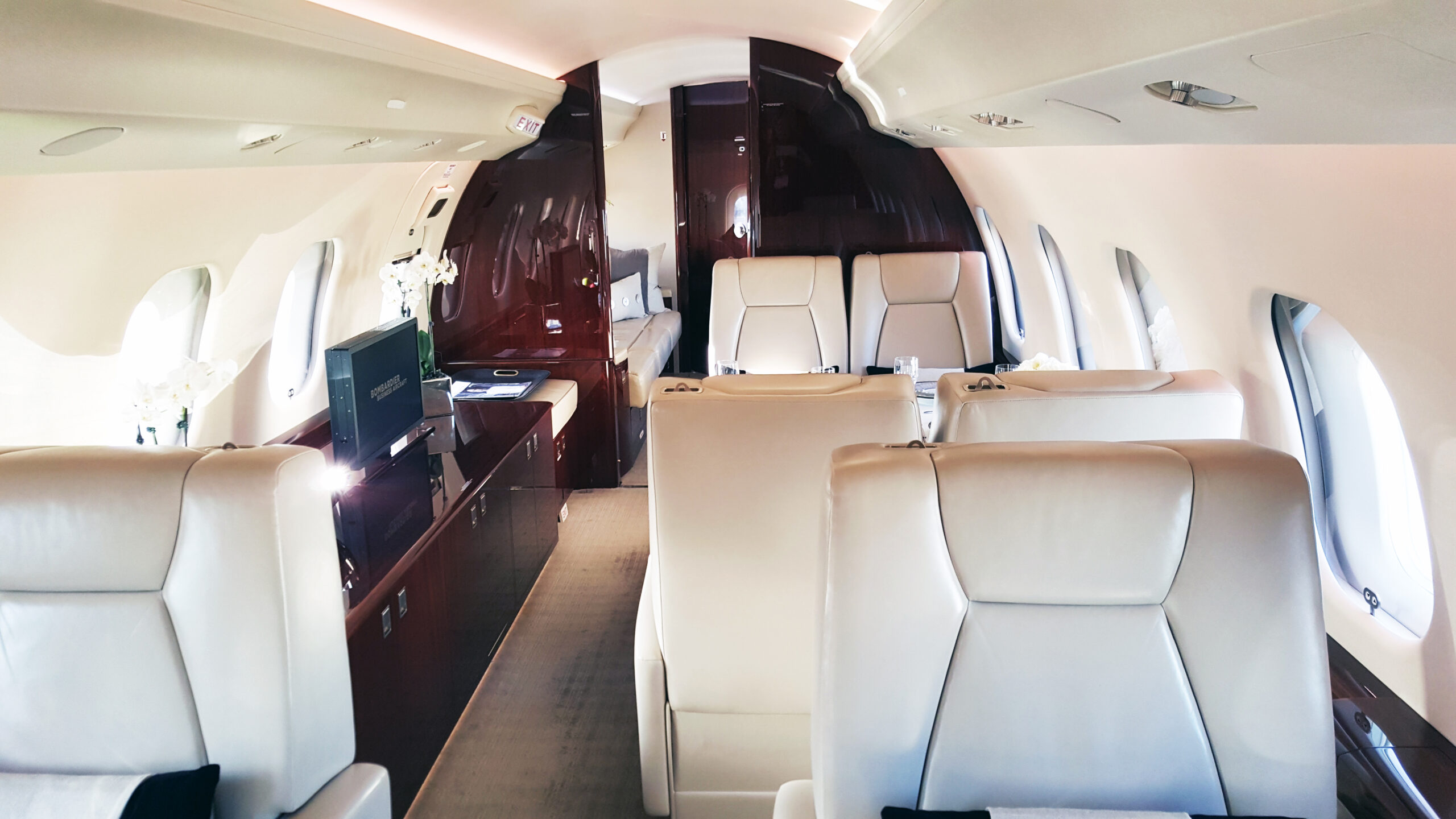
Overview of the Private Plane Trade
The private aviation sector encompasses varied companies that enable people and companies to fly with out the constraints of business airline schedules. The first classes of private aviation embrace:

- Charter Providers: On-demand flights that can be booked for particular journeys. Customers pay for your entire aircraft, which can range from small jets to giant business aircraft.
- Fractional Possession: A mannequin where a number of owners share the costs and utilization of a private jet. Companies like NetJets and Flexjet pioneered this approach, permitting individuals to own a fraction of an aircraft and entry it when wanted.
- Jet Card Packages: Pay as you go flight time that gives flexibility and convenience, allowing clients to buy a certain number of flight hours on a specific sort of aircraft without the lengthy-time period commitment of ownership.
- Air Taxi Services: A new development in private aviation, air taxi providers use smaller aircraft to provide brief-distance flights, usually in urban areas or to distant places.
Market Development and Dynamics
The private aviation market has skilled strong growth, particularly in the last decade. Components driving this progress embody:
- Elevated Wealth: The rise of excessive-web-value individuals (HNWIs) and ultra-high-net-worth individuals (UHNWIs) globally has led to a better demand for private jet services. Areas such as North America, Europe, and Asia-Pacific have seen a surge in demand, significantly in China and India.
- Time Efficiency: Enterprise leaders and executives acknowledge the value of time, and private aviation gives a significant benefit by reducing travel time and growing productivity.
- Pandemic Affect: The COVID-19 pandemic prompted many travelers to reconsider their flying preferences. Concerns over health and security, together with the need for social distancing, led to a notable enhance in private jet usage. Many first-time customers of private aviation turned to charter providers as a safer different to industrial flights.
- Technological Advancements: Improvements in aircraft know-how and improvements in booking platforms have made private aviation more accessible and environment friendly. On-line platforms allow customers to ebook flights quickly and simply, while developments in aircraft design have improved gas efficiency and decreased operating costs.
Key Players within the Private Aviation Sector
A number of companies dominate the private plane market, each providing unique providers and capabilities:
- NetJets: A pacesetter in fractional ownership, NetJets gives entry to a big fleet of aircraft and a world network of companies. The corporate has established itself as a premium model in private aviation.
- Flexjet: One other important participant in fractional possession, Flexjet presents quite a lot of aircraft types and a concentrate on customer support. Their Pink Label program supplies a better level of service and a extra personalized expertise.
- VistaJet: Known for its distinctive silver and crimson aircraft, VistaJet operates a fleet of lengthy-vary jets and offers a subscription-based mostly model. The company emphasizes luxurious and comfort, catering to high-profile clients.
- Wheels Up: A newer entrant to the market, Wheels Up has gained popularity with its membership-primarily based model, providing entry to a fleet of aircraft for a one-time charge and annual dues. This method appeals to a youthful demographic seeking flexibility.
- Air Charter Service: Specializing in on-demand charter flights, Air Charter Service gives a wide range of aircraft choices and has a world presence. Their expertise in arranging charters for varied wants, together with cargo, medical, and leisure travel, sets them apart.
Challenges Dealing with Private Plane Companies
Regardless of the growth and opportunities in the private aviation sector, firms face several challenges:
- Regulatory Hurdles: The aviation industry is heavily regulated, and private plane companies must navigate complex regulations associated to safety, air site visitors management, and environmental standards. Compliance might be pricey and time-consuming.
- Environmental Issues: Because the world turns into more environmentally conscious, the aviation sector is underneath strain to reduce its carbon footprint. Private aviation companies are exploring sustainable aviation fuels and extra efficient aircraft to address these concerns.
- Market Volatility: Economic fluctuations can considerably impression the demand for private aviation. During economic downturns, companies could experience decreased bookings as clients minimize journey bills.
- Competitors: The private aviation market is competitive, with new entrants frequently rising. Corporations should differentiate themselves through service quality, pricing, and distinctive choices to maintain market share.
Future Traits in Private Aviation
The future of private aviation is poised for additional evolution, pushed by a number of key developments:
- Sustainability Initiatives: The business is more and more focusing on sustainability. Companies are investing in research and growth of electric and hybrid aircraft, as well as exploring carbon offset applications to appeal to environmentally aware customers.
- Digital Transformation: The rise of digital platforms and mobile apps is altering how clients interact with private aviation services. Enhanced booking systems, buyer relationship management instruments, and information analytics will improve the general buyer expertise.
- Urban Air Mobility: The idea of urban air mobility (UAM) is gaining traction, with firms exploring the usage of electric vertical takeoff and landing (eVTOL) aircraft for short-distance journey inside cities. This might revolutionize urban transportation and create new alternatives for private aviation.
- Personalization of Services: As competition increases, private aviation companies will doubtless concentrate on offering personalized companies tailored to particular person consumer preferences. This might embody bespoke in-flight experiences, custom-made itineraries, and enhanced customer assist.
Conclusion
The private plane industry is a dynamic and quickly evolving sector of the aviation market. With increasing demand pushed by wealth development, time efficiency, and altering travel preferences, private plane companies are effectively-positioned for continued progress. Nevertheless, they should navigate challenges similar to regulatory compliance, environmental considerations, and market volatility. By embracing innovation and focusing on customer support, private aviation companies can thrive on this aggressive panorama and adapt to the altering wants of their clientele.









