
Poker is utterly unique among casino games because you are not playing against the house; you are playing against the other players sitting at the table.
While the vast majority of live poker games are completely honest, the history of the game is deeply intertwined with scams, angles, and outright cheating.

The casino dealer and surveillance cameras are watching, but sophisticated cheaters specialize in actions that are incredibly difficult to prove.
We will teach you how to spot a cheater so you can protect your stack and ensure the integrity of the game.
The Most Common Poker Scam: Collusion
The absolute most pervasive and difficult-to-prove form of cheating in modern poker is called "Collusion."
If a colluder knows their partner holds an Ace, they know exactly what cards are NOT in the deck, drastically altering their own mathematical odds of winning.
Colluders will also use aggressive betting tactics, like "whipsawing," to trap an honest player between them.
If they constantly check down the river against each other but play hyper-aggressively against everyone else, they are almost certainly a team.
Quietly stand up, find the Floor Manager, and express your concerns privately. The casino will monitor the cameras and handle the situation.
The Classic Cheat: Marking the Deck
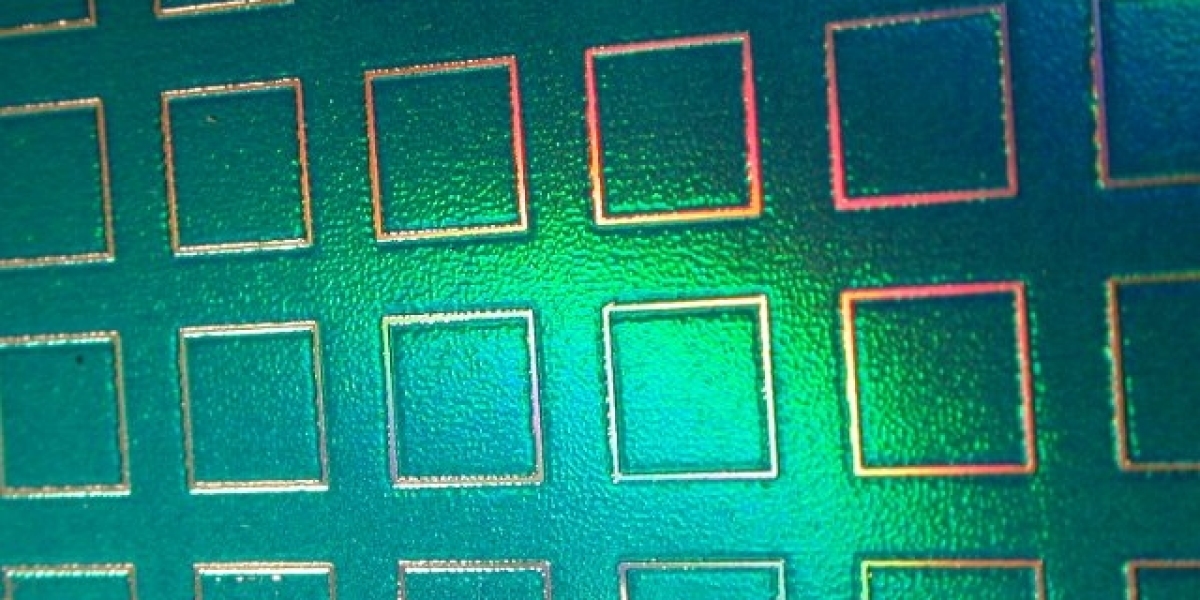
A player who marks cards is attempting to create tiny, subtle physical defects on the back of the high-value cards (Aces and Kings).
When the card is face down, the cheater can spot the tiny shadow of the dent or feel it physically when they handle the deck.
Another method is "daubing," where a player uses a tiny speck of ash or specialized grease on their finger to smudge a specific pattern on the back of a card.
Furthermore, actively inspect the backs of the cards when they are dealt to you.
Never play with a deck that looks worn, asymmetrical, or physically damaged.
Why Angle Shooters are Discarded by the Community
They are not stealing from the pot or marking cards, but they are absolutely violating the spirit of fair play to gain an unfair advantage.
This is highly unethical behavior designed to extract physical "tells" without actually committing any money to the pot.
If the opponent flips their winning hand over, the angle shooter will claim, "I never said call, I said fold!" and try to pull their chips back.
An opponent might push all-in thinking they are calling a $100 bet, only to realize the angle shooter had a hidden $500 chip in the back.
Never flip your cards over until the dealer instructs you to do so, and always place your chips in neat, easily readable stacks.
Common Red Flags at the Table
- The Team Play: Watch for players who constantly make eye contact or use strange physical gestures immediately after looking at their cards.
- The Physical Defect: If you notice a tiny, recurring smudge or scratch on the back of all the Aces and Kings, the deck is completely compromised.
- The Verbal Mumble: Intentionally muttering bet sizes so they can argue with the dealer and change their mind if they don't like the opponent's reaction.
- Base Dealing: If the dealer's hand motions look unnatural, fast, or jerky, they may be manipulating the shuffle.
How to Handle an Unfair Game
| The Suspected Scam | The Wrong Reaction | The Professional Response |
|---|---|---|
| The Team Scenario | Never try to "outplay" a colluding team. The math is impossible to beat. | Take your chips, request a table change, and let casino security handle the investigation. |
| Smudged Backs | Never ignore physical defects on the cards. | The casino takes marked cards incredibly seriously. They will identify the cheat via the eye in the sky. |
| The Unethical Trick | Do not engage in an argument about "poker etiquette." The angle shooter does not care about ethics. | Protect your hand. If they hide big chips, demand the dealer physically count their stack before you make a decision. |
Familiarizing yourself with the dark side of the game makes you a significantly sharper, more resilient competitor.
If a game ever feels suspicious, or if the players seem too coordinated, trust your instincts and pick up your chips.
Watch the cards, watch the players, and protect your stack.