In recent years, the landscape of private plane charters has undergone important adjustments, driven by advancements in technology, shifting shopper preferences, and evolving market dynamics. As more individuals and businesses seek the convenience and adaptability of private air travel, understanding the prices related to chartering a private plane has grow to be more and more vital. This article delves into the demonstrable advances in private plane charter prices, exploring components that influence pricing, the emergence of new pricing models, and the affect of technology on value transparency.
The standard Pricing Mannequin
Historically, private plane charters operated on a straightforward pricing model primarily based on hourly charges. The price of chartering a plane was decided by a number of components, together with the type of aircraft, flight distance, and duration. On average, hourly charges for gentle jets ranged from $2,500 to $3,500, whereas mid-dimension jets might price between $3,500 and $5,500 per hour. Heavy jets and long-range aircraft commanded even higher rates, typically exceeding $10,000 per hour.
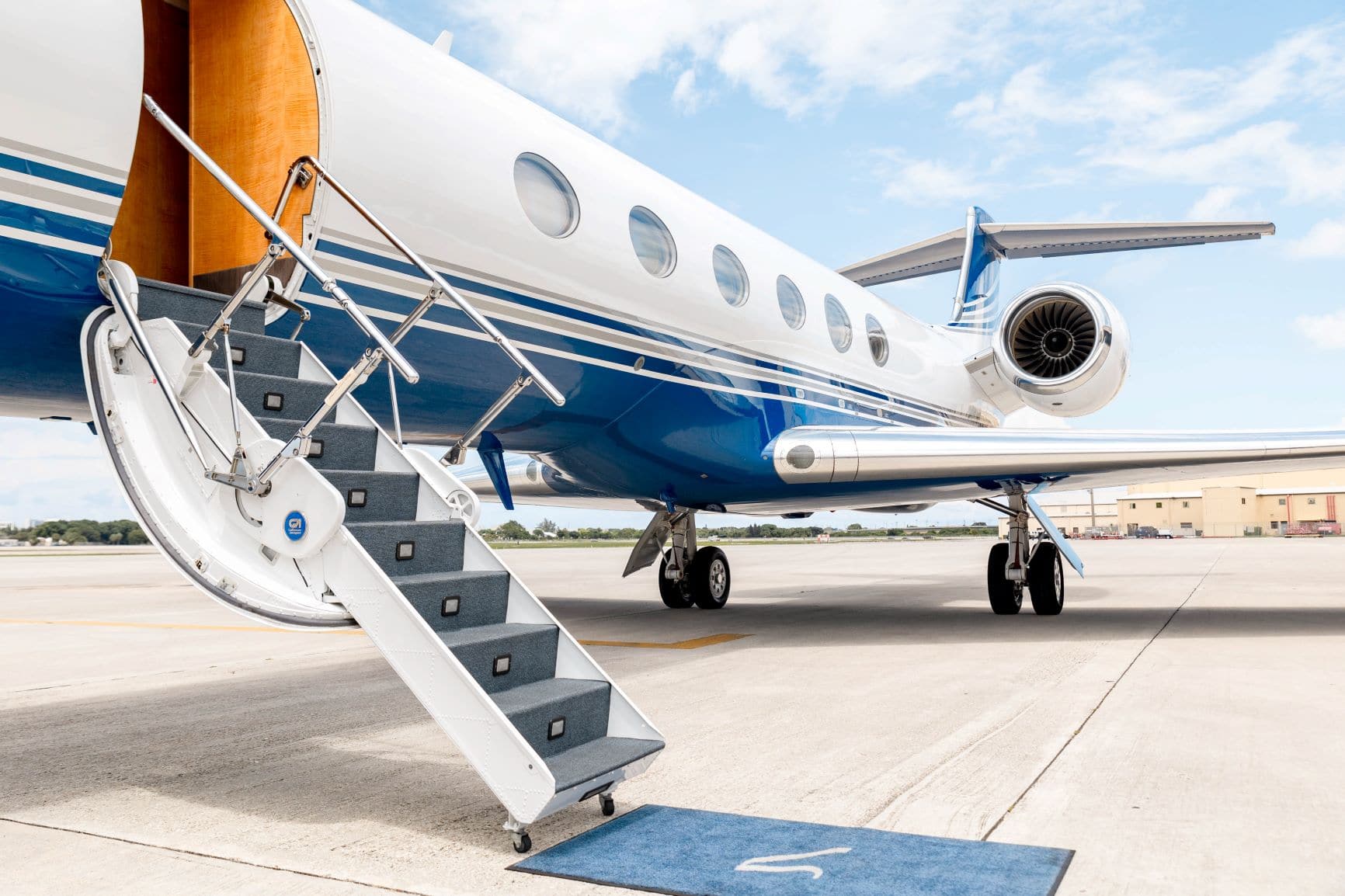
In addition to hourly rates, clients had been sometimes liable for fuel surcharges, touchdown charges, and different ancillary costs, which might significantly inflate the full price of a charter. This conventional mannequin, while efficient, often lacked transparency, leaving clients uncertain about the final costs until after the flight was accomplished.
The Rise of On-Demand Charter Companies
The arrival of on-demand charter companies has revolutionized the private aviation industry, introducing a extra versatile and accessible strategy to private plane travel. Corporations like JetSuite, Blade, and Wheels Up have emerged, offering app-based mostly platforms that enable users to book flights on a pay-per-use foundation. This shift has made private air travel extra appealing to a broader audience, including those who might not have beforehand thought-about chartering a plane.
These on-demand services often feature dynamic pricing fashions, which adjust primarily based on demand, availability, and other market elements. As a result, clients can generally find lower charges during off-peak times or for final-minute bookings, making private air travel extra affordable than ever earlier than. This flexibility has encouraged more frequent use of private charters, leading to a extra competitive market that benefits shoppers.
The Impact of Technology on Value Transparency
One of the most important developments within the private aviation sector is the increased transparency in pricing facilitated by technology. Modern platforms now present users with actual-time pricing data, allowing potential clients to check prices across various aircraft and operators. This transparency empowers shoppers to make knowledgeable selections and helps get rid of hidden fees that have been once commonplace within the industry.
Additionally, developments in information analytics and synthetic intelligence have enabled charter companies to optimize their pricing methods. By analyzing market traits, customer behavior, and operational prices, these corporations can provide more competitive rates while sustaining profitability. This shift has led to a extra efficient pricing structure that reflects the true price of private air travel.
Membership and Subscription Fashions
One other notable development in private plane charter prices is the rise of membership and subscription fashions. Companies like NetJets and Flexjet offer fractional ownership and jet card packages that permit purchasers to purchase a set number of flight hours in advance. These packages typically come with mounted hourly rates and diminished ancillary fees, providing clients with predictable costs and larger budgeting management.
Membership fashions have made private aviation more accessible to those that fly ceaselessly but may not have the means or need to own a private jet outright. By paying an upfront payment for a membership, shoppers can enjoy the benefits of private air travel with out the lengthy-term commitment and costs related to possession. This shift has broadened the appeal of private aviation, attracting a various clientele that features business travelers, households, and leisure travelers.
The Function of Market Dynamics
The private aviation market can be influenced by broader financial elements, including fuel costs, regulatory changes, and global occasions. For instance, fluctuations in gasoline prices can significantly impression charter prices, as fuel surcharges are often passed on to purchasers. Equally, economic downturns or global crises, such as the COVID-19 pandemic, can result in adjustments in demand for private air travel, prompting companies to regulate their pricing methods accordingly.
In recent years, the demand for private jet charters surged attributable to considerations about crowded industrial flights and health safety. This elevated demand has led to larger prices for sure routes and aircraft, as operators search to capitalize on the growing curiosity in private travel. As the market continues to evolve, charter firms must remain agile and responsive to these dynamics to stay aggressive.
Environmental Concerns and Costs
As the world turns into more environmentally conscious, the private aviation trade can be facing pressure to address its carbon footprint. Many charter firms are investing in more fuel-environment friendly aircraft and exploring sustainable aviation fuels to cut back their environmental affect. Whereas these initiatives may lead to higher upfront prices, they can also result in long-time period financial savings through lowered gas consumption and regulatory compliance.
Moreover, the growing emphasis on sustainability is prompting some clients to prioritize eco-pleasant charter options, even when they arrive at a premium. Because of this, charter corporations are starting to incorporate environmental concerns into their pricing fashions, providing purchasers the option to offset their carbon emissions or choose greener aircraft.
Conclusion
The panorama of private plane charter prices is rapidly evolving, driven by technological developments, altering consumer preferences, and market dynamics. As on-demand services acquire traction and pricing transparency improves, shoppers are finding more reasonably priced and accessible choices for private air travel. Membership and subscription models are also reshaping the market, allowing a broader audience to experience the advantages of private aviation.
While traditional pricing fashions still exist, the emergence of new strategies and the affect of external factors are creating a more dynamic and aggressive surroundings. Because the trade continues to adapt, it is important for purchasers to remain knowledgeable about the various choices out there and perceive the components that influence private plane charter prices. With ongoing advancements in know-how and a rising emphasis on sustainability, the future of private aviation looks promising, offering shoppers higher flexibility, transparency, and worth in their air travel experiences.