
On the earth of funding, diversification is essential to mitigating threat and maximizing returns. One more and more popular technique is investing in precious metals by a person Retirement Account (IRA). Valuable metals IRAs enable investors to carry physical gold, silver, platinum, and palladium in a tax-advantaged retirement account. This report explores the intricacies of precious metals IRA accounts, their benefits, potential drawbacks, and the steps concerned in setting one up.
What is a Precious Metals IRA?
A Precious Metals IRA is a specialised sort of self-directed IRA that permits investors to include bodily valuable metals as a part of their retirement portfolio. Not like traditional IRAs that usually hold stocks, bonds, and mutual funds, a precious metals IRA provides buyers the chance to put money into tangible belongings, which may serve as a hedge towards inflation and financial downturns.
Sorts of Valuable Metals Allowed
The inner Revenue Service (IRS) has specific guidelines relating to which precious metals can be included in an IRA. The first metals that qualify are:
- Gold: Have to be 99.5% pure (e.g., American Gold Eagle, Canadian Gold Maple Leaf).
- Silver: Should be 99.9% pure (e.g., American Silver Eagle, Canadian Silver Maple Leaf).
- Platinum: Have to be 99.95% pure (e.g., American Platinum Eagle).
- Palladium: Have to be 99.95% pure (e.g., American Palladium Eagle).
Advantages of Treasured Metals IRAs
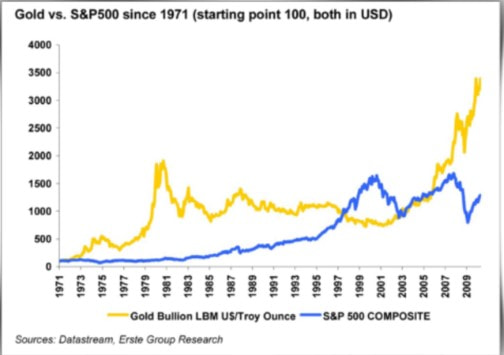
- Inflation Hedge: Treasured metals have historically maintained their value over time, making them a reliable hedge towards inflation. As forex values decline, the value of gold and silver often rises.
- Diversification: Together with valuable metals in an investment portfolio adds a layer of diversification, which might scale back overall danger.
- Tax Benefits: Like traditional IRAs, contributions to a precious metals IRA may be tax-deductible, and the account grows tax-deferred till withdrawals are made in retirement.
- Tangible Belongings: Not like stocks or bonds, precious metals are physical belongings that buyers can hold. This tangibility can provide peace of thoughts during financial uncertainty.
- International Demand: Treasured metals have a universal worth and demand, making them a stable investment selection throughout completely different markets.
Potential Drawbacks
- Storage Fees: Bodily precious metals have to be stored in an permitted depository, which incurs storage and insurance fees. These costs can add up over time.
- Restricted Choice: Not all precious metals are eligible for inclusion in an IRA, limiting funding options in comparison with conventional IRAs.
- Market Volatility: While precious metals can function a hedge, they are not immune to market fluctuations. Costs might be volatile, leading to potential brief-time period losses.
- Regulatory Compliance: Buyers must adhere to strict IRS regulations regarding the varieties of metals, purity, and storage, which can complicate the investment course of.
Establishing a Precious Metals IRA
Organising a precious metals IRA includes a number of steps:
- Select a Custodian: Step one is to select a good IRA custodian that focuses on treasured metals. This custodian will handle the account and ensure compliance with IRS rules.
- Open the Account: As soon as a custodian is chosen, investors must open a self-directed IRA account. This course of usually includes filling out an utility and providing vital identification.
- Fund the Account: Investors can fund the account by varied means, including direct contributions, rollovers from present IRAs or 401(okay) plans, or transfers from different retirement accounts.
- Choose Treasured Metals: After funding the account, buyers can choose which treasured metals to purchase. It's essential to pick metals that meet IRS purity standards.
- Purchase and Storage: The custodian will facilitate the purchase of the selected metals. Once acquired, the metals must be saved in an authorised depository, which the custodian will arrange.
- Monitor Investments: Buyers should regularly monitor their precious metals IRA to evaluate efficiency and make changes as mandatory.
Conclusion
Valuable metals IRAs offer a novel opportunity for buyers looking for to diversify their retirement portfolios with tangible property. While they include distinct benefits, such as serving as a hedge towards inflation and providing tax advantages, potential buyers should also consider the drawbacks, including storage fees and market volatility. By rigorously choosing a custodian and understanding the laws, buyers can successfully incorporate precious metals into their retirement technique, doubtlessly enhancing their financial safety in the long run. As with any investment, it's advisable to conduct thorough analysis and seek the advice of with a financial advisor to ensure that a precious metals IRA aligns with particular person monetary goals and threat tolerance.