

Understanding Cot Beds in the UK: A Comprehensive Guide
When it pertains to getting ready for a new arrival, one of the most substantial purchases parents make is choosing the ideal bed for their child. Cot beds, a popular choice in the UK, work as a transition from baby crib to toddler bed. They're created to supply comfort, safety, and flexibility, making them an essential furniture piece in any nursery. This post will explore the different elements of cot beds in the UK, including types, security standards, and FAQs.
What is a Cot Bed?
A cot bed is a versatile furniture piece that integrates the features of a baby best crib newborn and a toddler bed. Normally designed for children from birth until they are around 5 years old, cot beds are broader and longer than standard cots. They typically come with adjustable bed mattress heights, which permits simpler access to the baby during the early months, while likewise offering a safe sleeping environment as the kid grows.
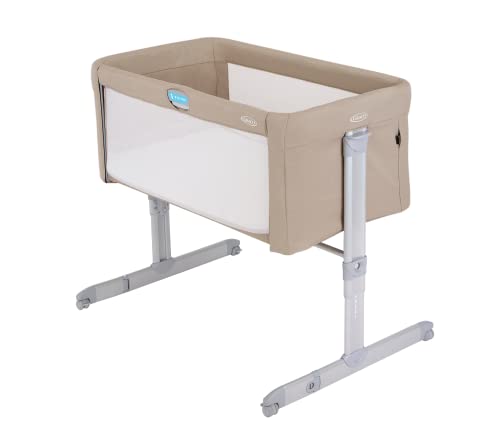
Secret Features of Cot Beds
| Feature | Description |
|---|---|
| Size | Normally bigger than conventional cots, accommodating a bed mattress of a minimum of 140 x 70 cm. |
| Adjustable Mattress Base | Typically offers several height settings to adjust to a growing child. |
| Detachable Sides | Many cot beds feature detachable sides that convert into young child beds. |
| Safety Standards | Need to adhere to UK security standards (BS EN 716 and BS EN 8509) for children's furniture. |
| Material | Typically made from solid wood, MDF, or a combination of both for resilience. |
Types of Cot Beds
Choosing the right type of cot bed can differ based upon individual preferences, room size, and budget. Here are the most common types available in the UK:
Traditional Cot Bed:
- A timeless style that mirrors a conventional crib but offers more area.
- Frequently features an elaborate style, making it appropriate for different nursery styles.
Convertible Cot Bed:
- Designed to grow with your kid, these can be transformed from a cot to a toddler bed.
- Deals durability, making it an affordable choice for parents.
Mini Cot Bed (moved here):
- A smaller sized version perfect for compact spaces.
- Suitable for smaller nurseries or parents who want to co-sleep in the very same space initially.
Travel Cot Bed:
- Lightweight and developed for portability.
- Exceptional for holidays or going to family, guaranteeing your child has a familiar sleep environment.
Cot Bed Comparisons
| Type | Size (Approx) | Price Range (₤) | Pros | Cons |
|---|---|---|---|---|
| Conventional Cot Bed | 140 x 70 cm | 150-400 | Classic style, strong | May not transform to toddler bed |
| Convertible Cot Bed | 140 x 70 cm | 200-600 | Grows with kid, flexible | Greater preliminary cost |
| Mini Cot Bed | 120 x 60 cm | 100-250 | Space-saving, light-weight | Much shorter lifespan; may require a brand-new bed earlier |
| Travel Cot Bed | Differs | 50-200 | Portable, easy to establish | Not as long lasting as standard choices |
Security Standards
When it pertains to children's furnishings, security is critical. In the UK, cot for sale beds should satisfy specific security standards to guarantee they are safe for usage. It is important to search for accreditation marks when purchasing a cot bed. Here are the essential requirements every cot bed must comply with:
- BS EN 716: This basic addresses the safety of folding baby cribs and cots.
- BS EN 8509: This refers to cot beds' safety and efficiency requirements.
- Age Suitability: Always inspect the maker's guidelines relating to age and weight limits.
Tips for Ensuring Cot Bed Safety
- Make sure all parts and fittings are safe and look for any loose screws or joints frequently.
- Utilize a bed mattress that fits comfortably in the cot to avoid any gaps where the child may become trapped.
- Avoid placing soft bedding, pillows, or toys inside the cot to lower the risk of suffocation.
- Always monitor your child when they are in the cot bed, especially as they grow and start to stand.
Picking the Right Cot Bed
When selecting a cot bed for your child, consider the following factors:
- Space Availability: Measure your nursery area to determine the best cots for newborns size of the cot bed.
- Spending plan: Set a spending plan. Cot beds can range dramatically in rate, so it's vital to understand how much you're prepared to spend.
- Design Preferences: Choose a style that fits your nursery decor, while likewise considering functionality and future usage.
- Convertibility: If you want a cot bed that can grow with your child, try to find convertible options.
- Materials Used: Opt for materials that are long lasting yet safe for children.
Frequently Asked Questions About Cot Beds
Q1: How long can a child use a cot bed?A1: Generally, children can use cot beds from birth as much as around 5 years old, depending upon the specific design and the child's development. Q2: Are cot beds safe for newborns?A2: Yes

, cot beds are created to be safe for newborns, offered they satisfy safety standards and the bed mattress fits properly. Q3: How do I clean a cot bed?A3: Use a damp fabric with moderate soap to clean up the wood surfaces. Avoid harsh chemicals that could damage the wood or surface. Q4: Does a cot bed require a particular mattress?A4: Yes, cot beds generally need a bed mattress that fits the measurements of the bed. Constantly check the maker's guidelines. Q5: Can a
cot bed be utilized for co-sleeping? A5: It's typically not advised to utilize cot beds for co-sleeping due to safety concerns.
A different sleeping space is a good idea. In conclusion, cot beds are an exceptional investment for any moms and dad trying to find a lasting and adaptable sleeping service for their child. Understanding the various types, safety requirements, and upkeep ideas is important for making an informed decision. By considering the factors talked about and ensuring compliance with safety standards, moms and dads can offer a loving and secure sleeping environment for their kids as they grow and explore the world around them.