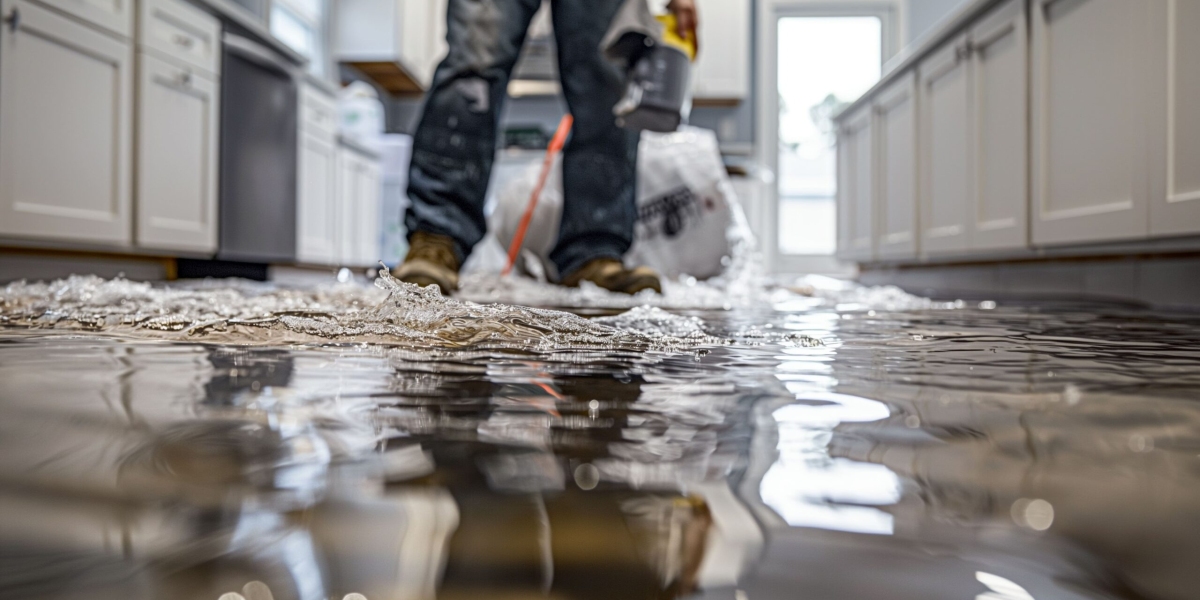

When water enters your home unexpectedly, it’s easy to feel overwhelmed as you begin assessing the damage and making notes, sometimes even needing to place something like Water Damage Restoration into your documentation while you organize your thoughts. What many homeowners don’t realize is that mold can begin developing within just 24–48 hours after water exposure. This makes proper and timely restoration not only important for your property’s structure, but also for protecting your family’s health. By understanding how mold grows and how professionals prevent it, you can take the right steps to safeguard your home.
Mold thrives in moist environments. When walls, floors, carpets, and insulation become saturated, they create the ideal conditions for mold spores to settle and spread. Even if surfaces feel dry to the touch, moisture trapped underneath can support mold growth for weeks or even months. This is why simply wiping up visible water is rarely enough to prevent long-term problems. Without proper drying and dehumidification, hidden moisture can lead to recurring mold issues that require extensive remediation.
The first step in preventing mold after water damage is to stop the source of moisture. Whether the water intrusion comes from a burst pipe, leaking roof, appliance malfunction, or groundwater, fixing the issue immediately keeps additional moisture from entering the home. Once the source is controlled, restoration professionals conduct a thorough inspection to determine how far the water has spread. Using specialized tools such as moisture meters and thermal imaging, they locate areas that are wet but not yet showing visible symptoms.
Water extraction follows next, and this step is crucial for mold prevention. Standing water accelerates structural deterioration and increases the likelihood of microbial growth. Professionals use high-powered pumps, vacuums, and extraction systems to remove excess water quickly and efficiently. Once extraction is complete, drying and dehumidification begin. This stage is where mold prevention truly takes place. Industrial air movers promote airflow across damp surfaces, while commercial dehumidifiers reduce moisture levels in the air and structure.
Technicians monitor moisture readings daily to ensure all materials reach safe dryness levels. This constant tracking is essential because materials like hardwood, drywall, and insulation can retain moisture long after the surface appears dry. If moisture is not removed thoroughly, mold will eventually take hold, often in hidden areas behind walls or under flooring.
Cleaning and sanitizing are performed after the drying phase. Depending on the type of water involved, antimicrobial treatments may be necessary to kill bacteria and prevent mold spores from activating. Professionals clean, disinfect, and deodorize all affected surfaces to create a safe living environment. Items that cannot be fully dried or sanitized—such as certain carpets, insulation, or drywall—are removed to eliminate future mold risks.
Finally, once moisture levels are fully stabilized, the restoration phase begins. This may include replacing drywall, repairing flooring, repainting, or reconstructing damaged areas. Proper restoration not only returns your home to its original condition but also ensures that mold does not develop due to lingering moisture or improperly repaired materials.
Preventing mold after water damage requires timely, thorough, and professional action. Homeowners who respond quickly and choose experienced restoration specialists greatly reduce the likelihood of long-term problems. Companies like Lillys Restoration offer expert service, advanced equipment, and dependable support to help ensure your home remains safe, healthy, and mold-free.