
Among the organized chaos of medical professionals in Birmingham, a young man named James Stokes carries himself with the measured poise of someone who has found his place. His polished footwear whisper against the floor as he greets colleagues—some by name, others with the universal currency of a "how are you."
James wears his NHS lanyard not merely as institutional identification but as a symbol of inclusion. It hangs against a pressed shirt that offers no clue of the difficult path that preceded his arrival.
What sets apart James from many of his colleagues is not visible on the surface. His presence gives away nothing of the fact that he was among the first beneficiaries of the NHS Universal Family Programme—an undertaking designed specifically for young people who have spent time in care.
"The Programme embraced me when I needed it most," James reflects, his voice measured but revealing subtle passion. His remark captures the essence of a programme that aims to reinvent how the enormous healthcare system views care leavers—those frequently marginalized young people aged 16-25 who have transitioned from the care system.
The numbers reveal a challenging reality. Care leavers frequently encounter greater psychological challenges, financial instability, housing precarity, and reduced scholarly attainment compared to their peers. Underlying these cold statistics are individual journeys of young people who have navigated a system that, despite good efforts, often falls short in offering the stable base that forms most young lives.
The NHS Universal Family Programme, initiated in January 2023 following NHS England's commitment to the Care Leaver Covenant, represents a significant change in systemic approach. At its core, it acknowledges that the complete state and civil society should function as a "universal family" for those who haven't known the security of a traditional family setting.
Ten pioneering healthcare collectives across England have charted the course, establishing structures that reimagine how the NHS—one of Europe's largest employers—can open its doors to care leavers.
The Programme is detailed in its methodology, starting from comprehensive audits of existing procedures, creating governance structures, and securing senior buy-in. It recognizes that meaningful participation requires more than good intentions—it demands tangible actions.
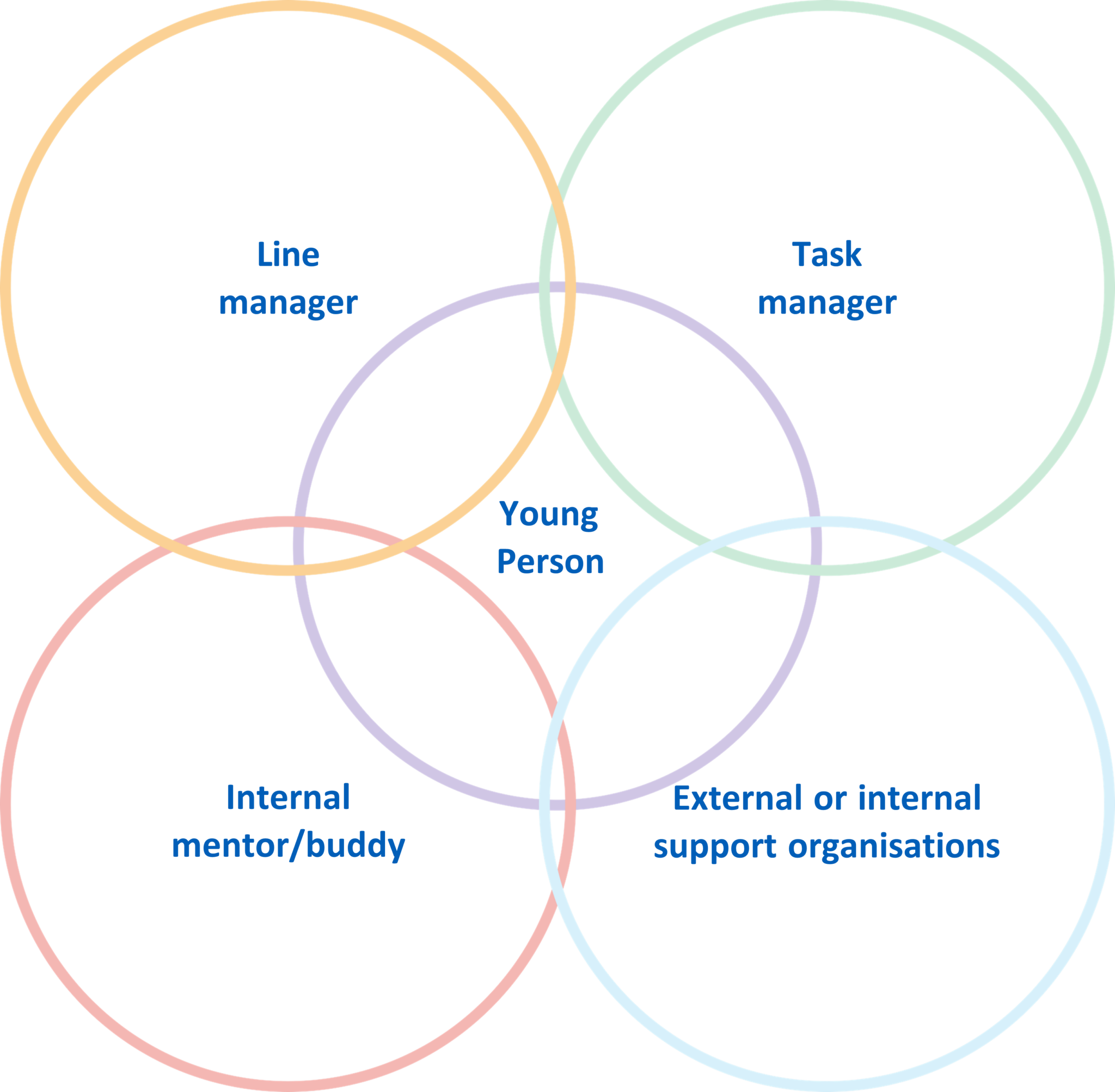
In NHS Birmingham and Solihull ICB, where James found his footing, they've developed a consistent support system with representatives who can provide support, advice, and guidance on mental health, HR matters, recruitment, and EDI initiatives.
The traditional NHS recruitment process—formal and possibly overwhelming—has been thoughtfully adapted. Job advertisements now focus on attitudinal traits rather than extensive qualifications. Applications have been reimagined to consider the specific obstacles care leavers might encounter—from lacking professional references to struggling with internet access.
Possibly most crucially, the Programme recognizes that starting a job can pose particular problems for care leavers who may be navigating autonomy without the safety net of family resources. Issues like commuting fees, personal documentation, and bank accounts—considered standard by many—can become major obstacles.
The beauty of the Programme lies in its meticulous consideration—from clarifying salary details to helping with commuting costs until that crucial first wage disbursement. Even apparently small matters like coffee breaks and professional behavior are thoughtfully covered.
For James, whose NHS journey has "transformed" his life, the Programme provided more than employment. It offered him a sense of belonging—that elusive quality that develops when someone feels valued not despite their background but because their distinct perspective enhances the institution.
"Working for the NHS isn't just about doctors and nurses," James observes, his expression revealing the quiet pride of someone who has discovered belonging. "It's about a collective of different jobs and roles, a family of people who really connect."

The NHS Universal Family Programme embodies more than an work program. It stands as a strong assertion that systems can change to welcome those who have navigated different paths. In doing so, they not only alter individual futures but enrich themselves through the special insights that care leavers provide.
As James walks the corridors, his involvement quietly demonstrates that with the right support, care leavers can succeed in environments once thought inaccessible. The support that the NHS has offered through this Programme symbolizes not charity but appreciation of hidden abilities and the profound truth that everyone deserves a family that believes in them.